When the Honda Civic launched in 1972, it wasn’t trying to make a statement. It was trying to not die in a sea of Malaise-era gas hogs. What followed was 50 years of one compact car doing its best to read the room — sometimes succeeding, sometimes accidentally setting the tone itself. This is the story of how the Civic evolved its look, and what each generation tells us about the tastes, tech, and terrible trends of its time.
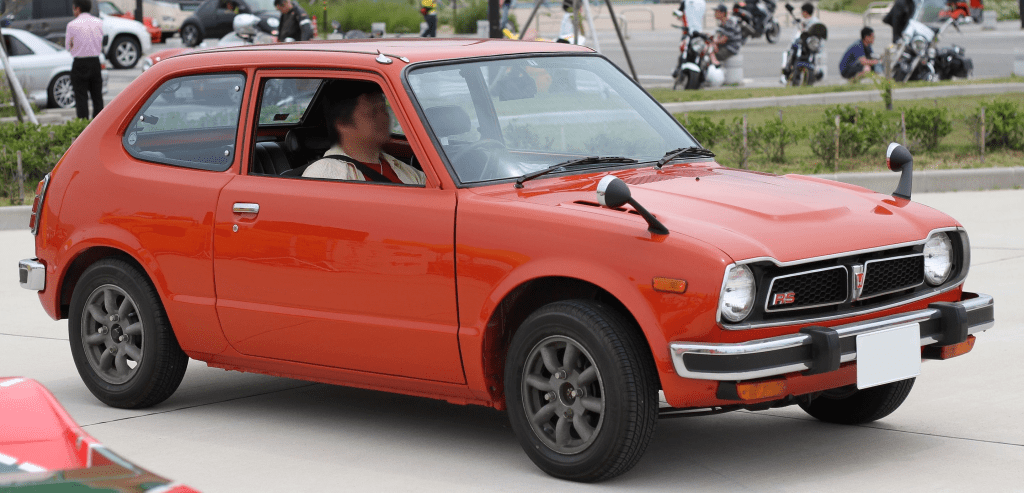
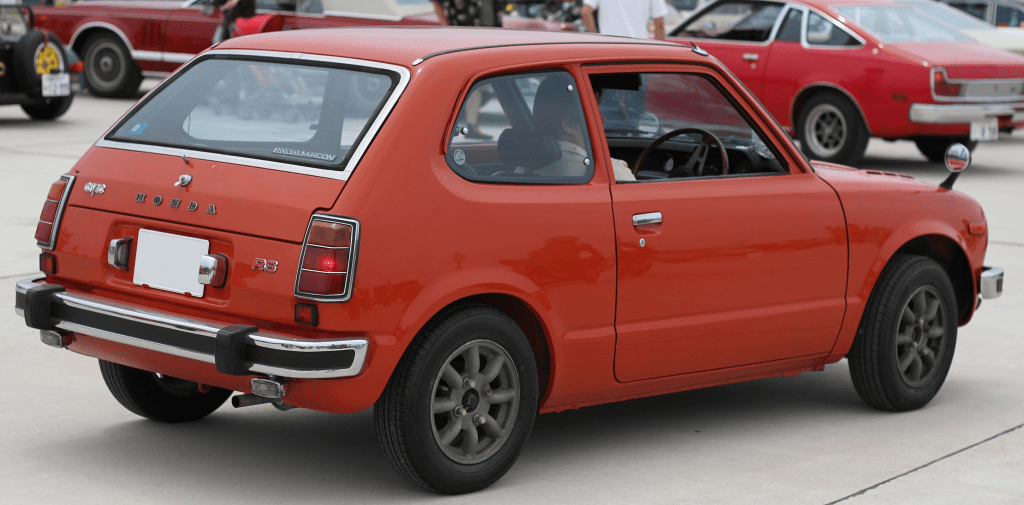
1st Gen (1972–1979): The Wedge That Saved Honda
The original Civic was angular, compact, and surprisingly Euro in flavor — think “baby BMW 2002 with a Datsun badge.” It was cheap, light, and carried a whiff of modernism when the rest of America was drowning in fake wood and eight-track tapes. Designed in response to the 1970s oil crisis, it shouted thrift and practicality in a decade that had just discovered disco.
Design Vibes: Angular, clean, minimal. You could almost imagine it in a Bauhaus exhibit. If Bauhaus loved vinyl seats.
2nd Gen (1980–1983): Sharper, Straighter, More Sensible
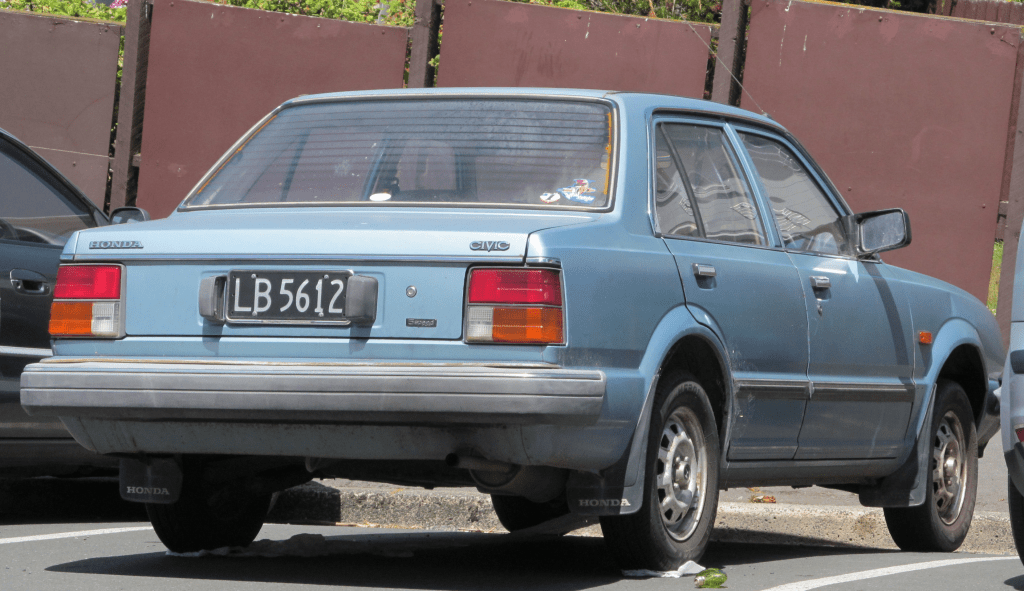
By 1980, the Civic looked like it went to community college and discovered straight lines and responsibility. Gone were the bubbly curves — replaced by boxy proportions and a fuss-free layout that screamed: “I am here to deliver you to your Reaganomics job interview.”
Design Vibes: Microwave-safe geometry. Everything squared off like it was afraid of curves. The hatchback was now ready to haul drywall and your sense of economic anxiety.

3rd Gen (1984–1987): Hello, Hot Hatch Energy
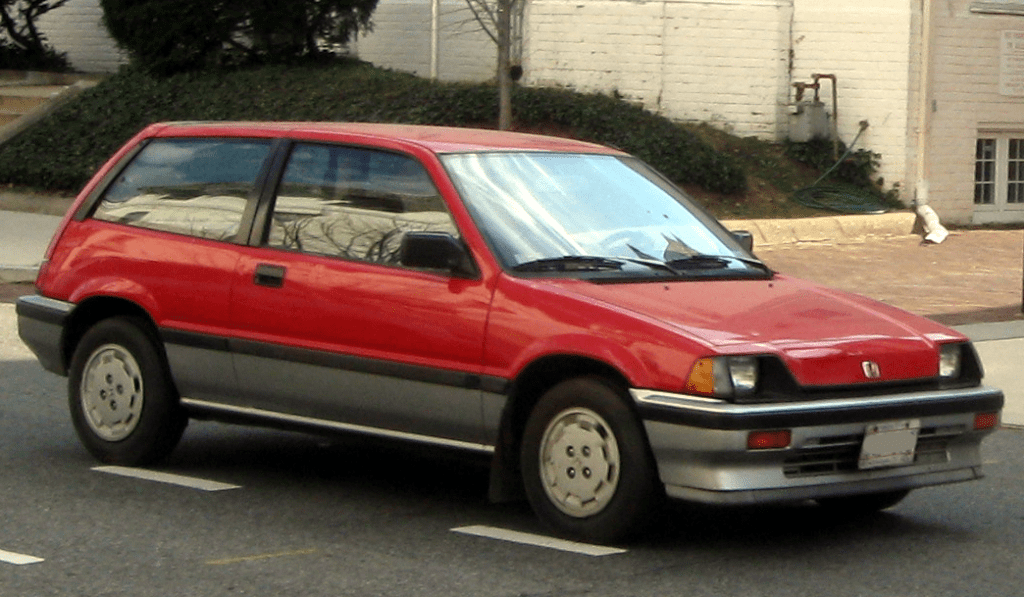
Ah yes, the third-gen Civic. This one partied. The CRX showed up with its raked roofline, the Si trim became legendary, and we all learned that you could have 40 MPG and a little fun. This was the “tight jeans and synthwave” Civic.
Design Vibes: Low-slung, purposeful, and just a little aggro. The black trim and sharp creases said: “I’m serious, but I’m also in a band.”
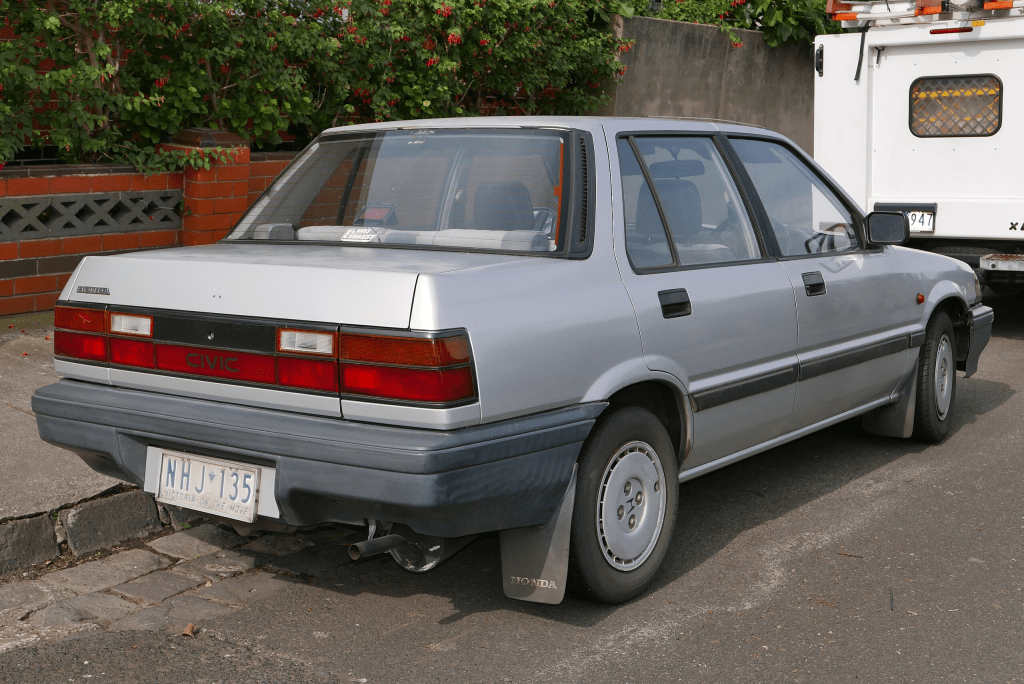
4th Gen (1988–1991): Aerodynamic Ambitions
By the late ‘80s, even econoboxes wanted to slip through the air like a Testarossa. The fourth-gen Civic leaned into curves, with smooth integrated bumpers and a rounded greenhouse. It was the first Civic that looked genuinely modern, not just thrifty.
Design Vibes: Windswept efficiency. Like a soap bar that knew calculus.
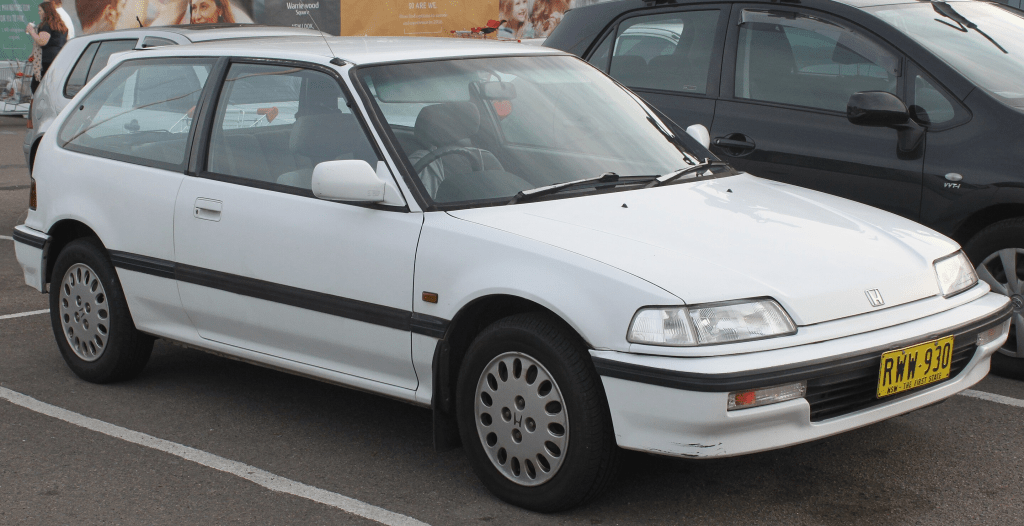

5th Gen (1992–1995): Peak Civic, Peak ‘90s
The ‘92 Civic was curvier, cleaner, and more refined than ever. It’s the one everyone lowered and slammed and sticker bombed. Its design somehow hit that perfect sweet spot between mature and modifiable.
Design Vibes: Friendly curves, wide-eyed headlights, and side profiles so clean you could eat a Hot Pocket off them. It was the Lisa Frank binder of car design.
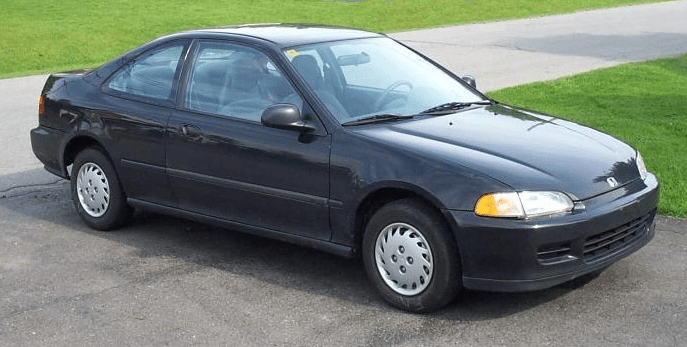

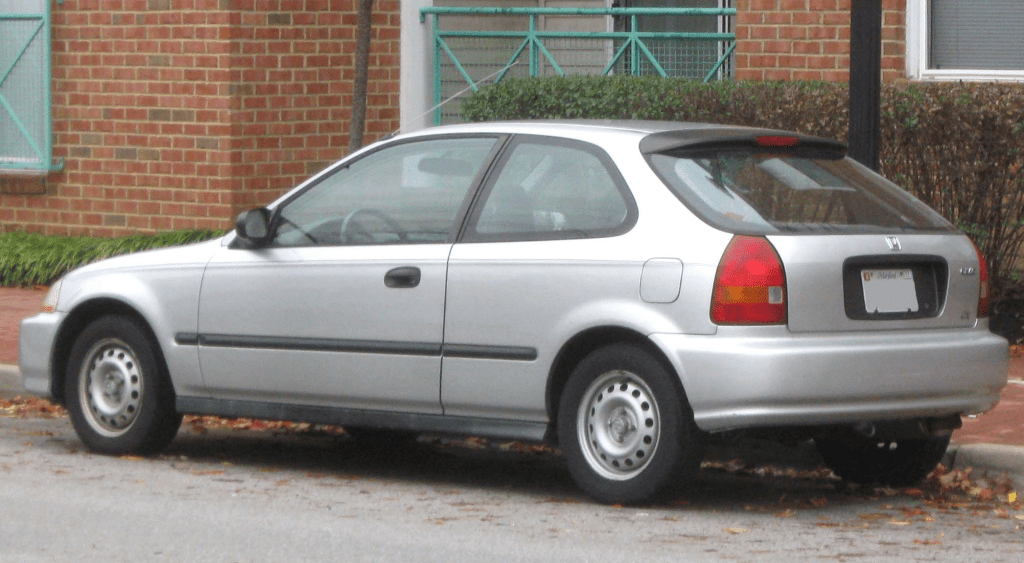
6th Gen (1996–2000): Millennial Maturity
As the 2000s approached, the Civic stopped being the rebellious cousin and started wearing khakis. It was still charming, still mod-friendly, but the roundness started to feel corporate — like it had accepted a job in IT.
Design Vibes: Smooth, clean, but a little beige. The design equivalent of a dial-up modem startup tone: comforting, but not thrilling.
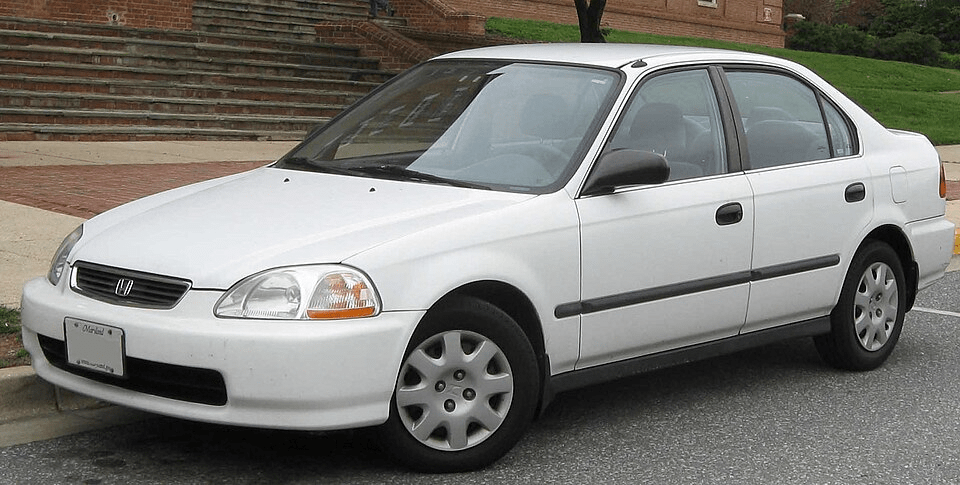
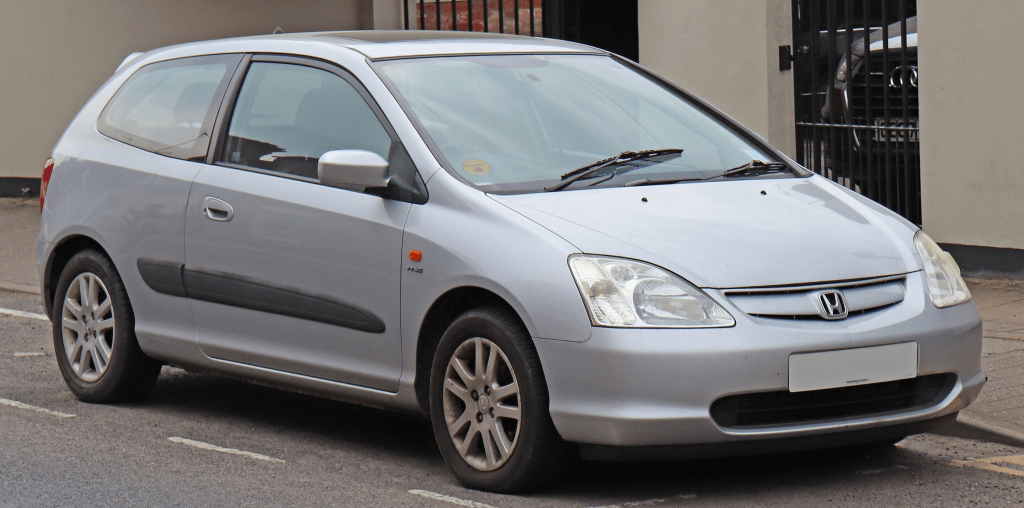
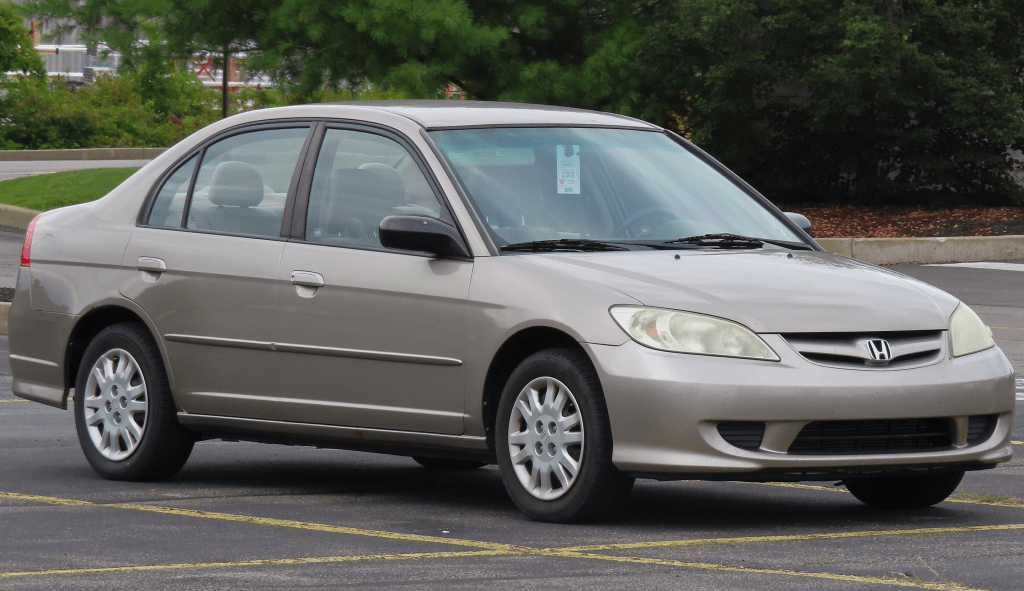
7th Gen (2001–2005): Now With More Minivan!
Design got a little… confused here. The roofline raised, proportions shifted, and suddenly the Civic looked like a crossover that was afraid to commit. It was practical, sure. But it had lost some swagger.
Design Vibes: Dorky and tall. The automotive equivalent of chunky white dad sneakers.
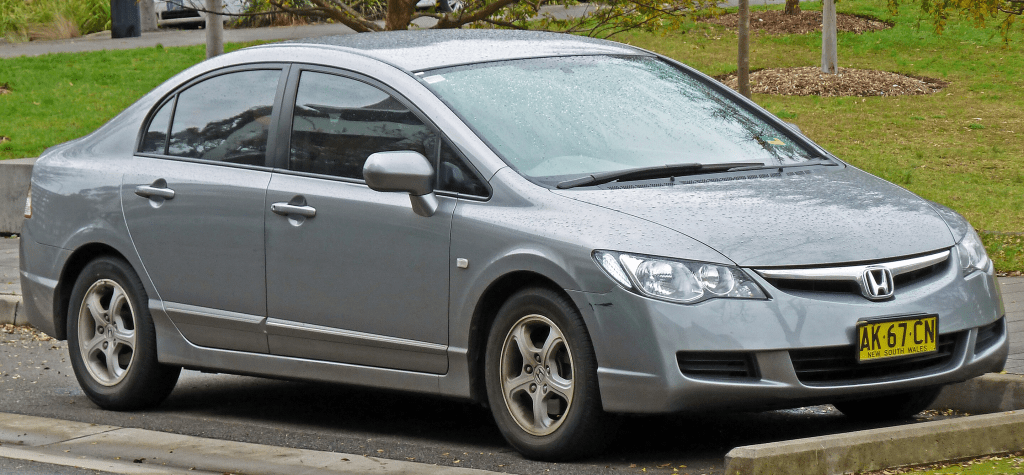
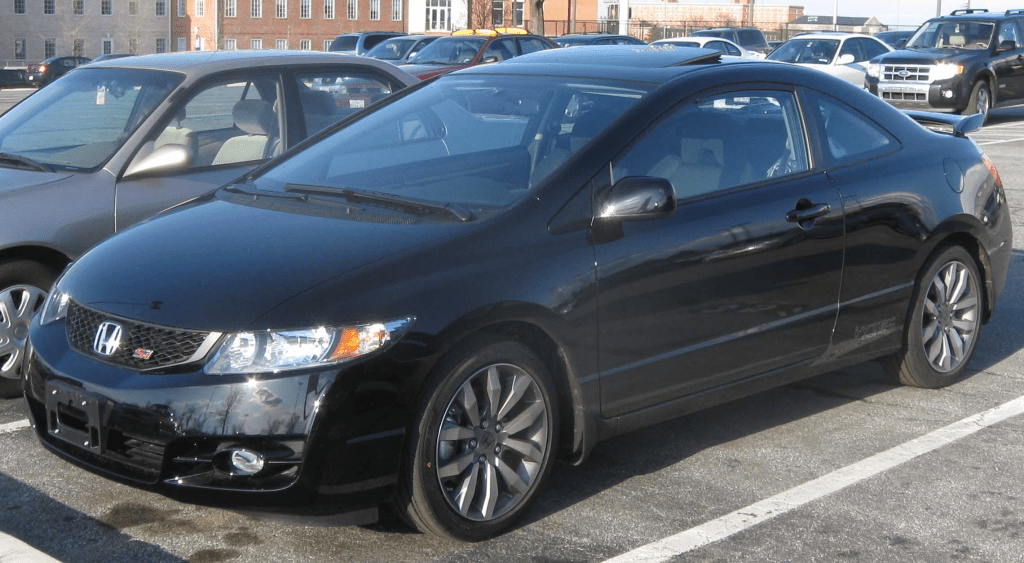
8th Gen (2006–2011): Space Egg from the Future
The eighth-gen Civic was a total break from the past — low dash, two-tier instrument cluster, and a spaceship-like exterior. People either loved it or missed their old fifth-gen like a high school sweetheart.
Design Vibes: Futuristic jellybean. A Saturn Ion that got accepted to art school.
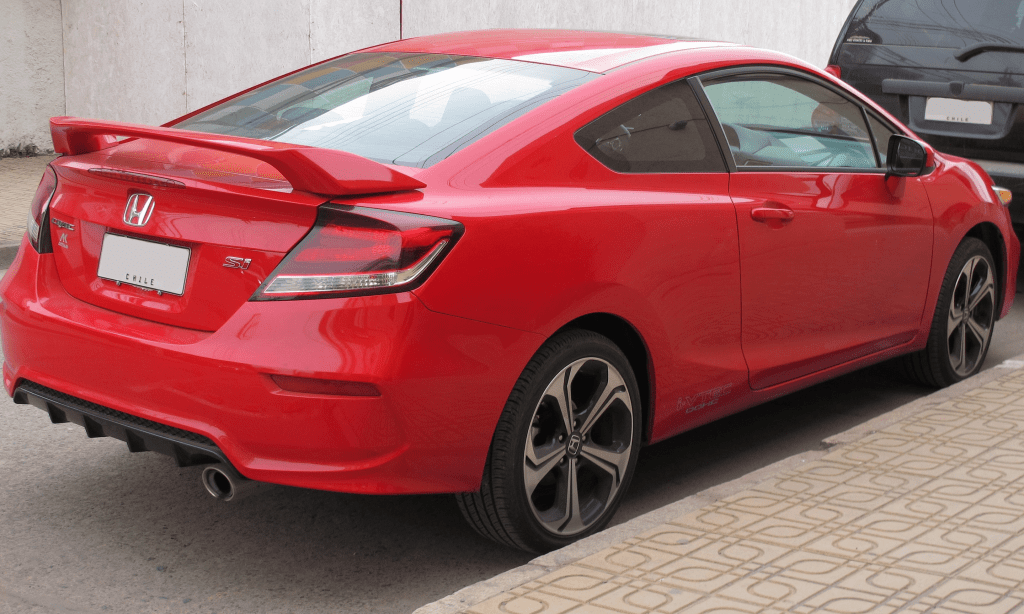
9th Gen (2012–2015): Oops, Too Safe
Honda played it too safe here. After swinging hard with the last gen, the ninth was milquetoast. Critics panned the design for being too bland — a literal beige blur of an era when everyone just wanted things to “be normal” again.
Design Vibes: Rental car chic. Looked like it came with a free CD of adult contemporary hits.

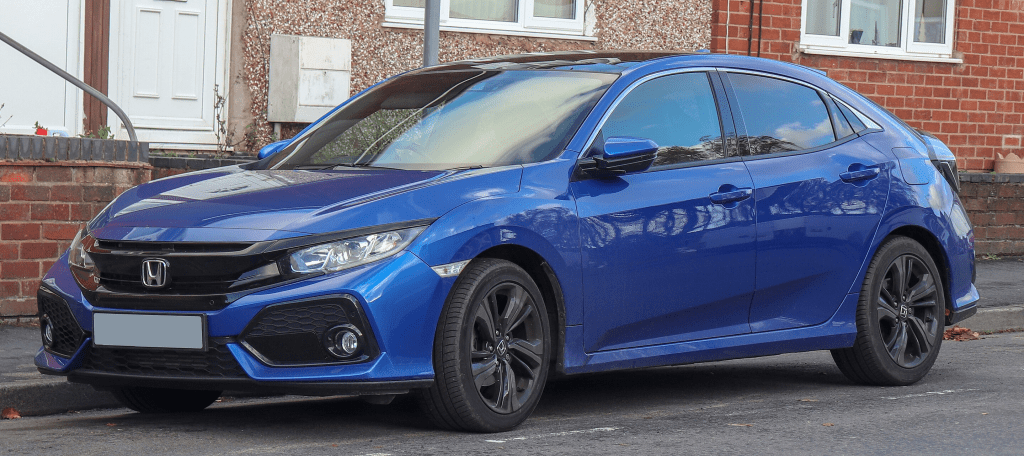
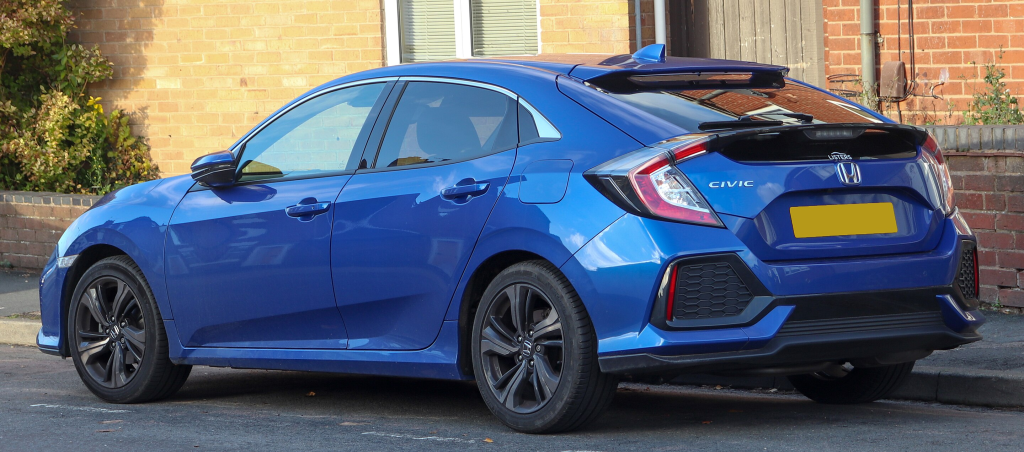
10th Gen (2016–2021): Angry Origami
The 10th-gen Civic brought back drama. Big angles, huge grilles, fake vents, and taillights shaped like crab claws. It was the Honda Civic after watching too many Fast & Furious movies.
Design Vibes: Stylized aggression. All sharp cuts and high cheekbones. The Civic hit the gym and grew a Bluetooth speaker.
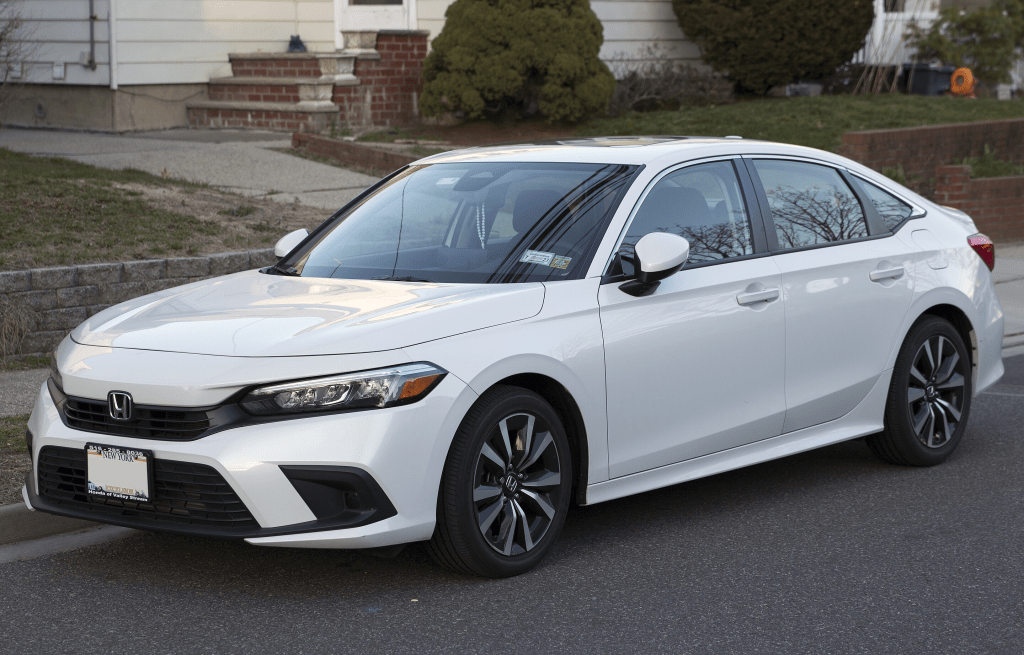
11th Gen (2022–present): The Grown-Up Glow Up
Today’s Civic looks, dare I say, mature. It’s got Audi-lite lines, a clean front fascia, and a simplified interior that feels upmarket without screaming. It’s the Civic that drinks cold brew, not Monster.
Design Vibes: Subtle swagger. Less “boy racer,” more “LinkedIn-approved daily.”

The Civic: Forever Changing, Forever Civic
The Civic has always been a mirror for the times. Each generation says something about what we wanted — or what Honda thought we wanted — from basic transport. It’s evolved from a gas crisis savior to a tuner icon to a grown-up daily that still can party if you ask nicely.
In short, the Civic has always been with us. Adapting, surviving, and occasionally wearing ill-fitting cargo shorts in public. And somehow, we love it all the more for it.


Leave a comment