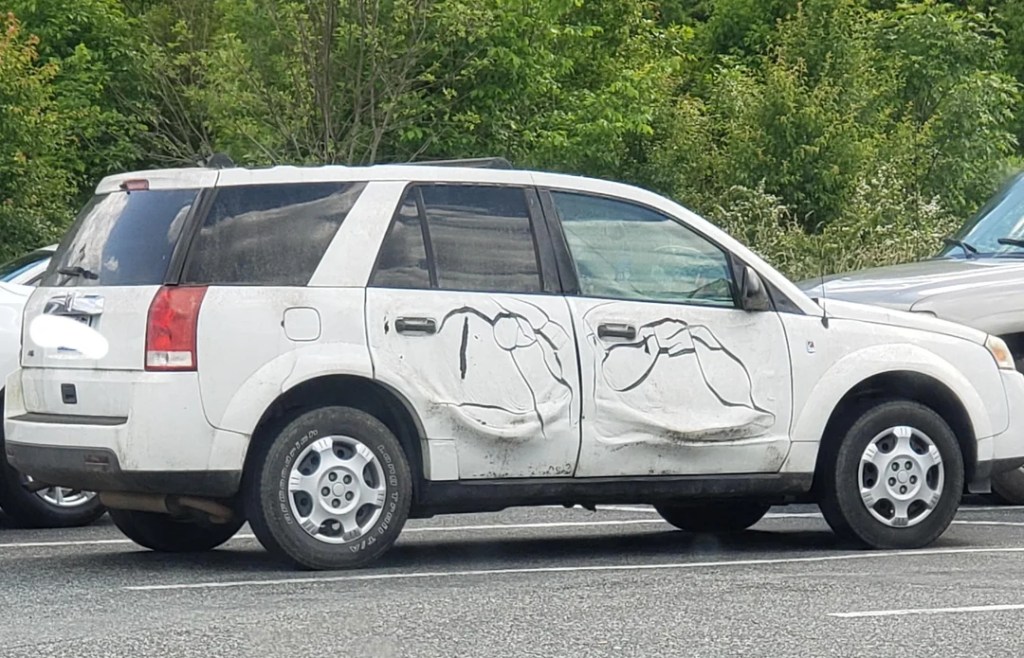
When General Motors launched Saturn in the early 1990s, they promised an out-of-this-world car company with down-to-earth charm and polymer body panels you could hit with a shopping cart and walk away unscathed. No dents. No rust. No problem.
Except, of course, all the other problems.
These cheerful, plastic-clad compacts were pitched as GM’s moonshot—designed to take on the Japanese automakers with a clean-sheet design and an entirely separate corporate culture. And for a while, it kind of worked. Saturn was the only brand where a dealership handshake felt more like joining a cult than buying a car. They had fan clubs. Homecomings. Branded jackets. I think someone even got a Saturn tattoo.
But Saturn’s thermoplastic body panels—billed as revolutionary—are now scattered across junkyards like the discarded remains of a Tupperware party gone wrong. Let’s unpack why these things still hang around.
Space-Age Panels, Meatspace Problems
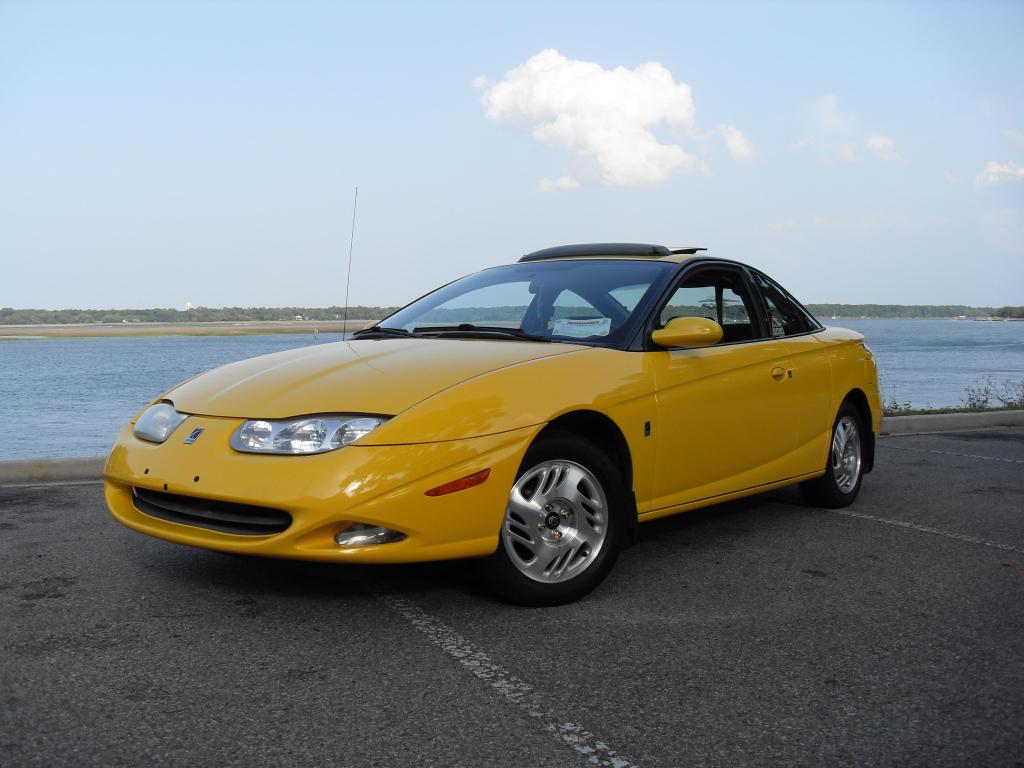
The polymer panels on Saturn’s S-series and later Ion and Vue models weren’t some marketing gimmick—they actually worked. You could whack one with a broom handle and it would bounce back. They laughed in the face of hail damage. Rust? Not a chance. And unlike steel, these panels were so light they made the cars relatively fuel efficient for the time.
But the panels were mounted to a steel space frame, and that frame wasn’t so invincible. In a crash or under years of Midwest salt, the steel substructures would crumble while the plastic panels stayed perfectly intact—like a sandwich bag trying to protect a soggy hoagie.
Worse, if the frame got bent, good luck aligning those cheerful polymer panels again. And once parts availability dried up, the DIY charm faded quickly.
The Junkyard Legacy of the Undentable
Ever walked through a self-serve junkyard and seen a field of Saturns with flawless doors, fenders, and bumpers? It’s uncanny. Like some dystopian future where only plastic survives. You can almost hear the clunk of a Saturn door closing like it’s made from lunchbox hinges.
These panels don’t biodegrade. They don’t rot. They don’t even fade like traditional paint. If anything, they look weirdly good sitting atop a half-missing subframe, surrounded by sun-fried minivans and oxidized Neons.
That durability is also why so many of these parts get reused. Want a perfect red fender for your ’98 SL2? It’s probably sitting on Row 5 between the guy sleeping in a Prius and a Chrysler Sebring with a tree growing out of the dash.

Saturn’s Cult Status Won’t Die, Either
Despite GM shuttering Saturn in 2010, the cars have developed a bizarre kind of zombie fandom. You can still find active Facebook groups where Saturn die-hards trade parts, rebuild twin-cam engines, and swap polymer panels like Pokémon cards. They’re cheap, easy to wrench on, and have just enough quirk to qualify as “weird car guy” material.
Plus, the plastic-body novelty has aged into a kind of charming retrofuturism. In an era where everything is either aluminum luxury or brittle econo-plastic, there’s something refreshing about a car built like a LEGO set with the heart of a rental.
The Saturn S-Series won’t be making a collector comeback anytime soon, but they’ve earned their place in the junkyard Valhalla: intact, indestructible, and still confusing the next generation of pick-a-part scavengers.


Leave a comment