
The Cheat-Code Theory
If you start with a Porsche 911, you’re already 80 percent of the way to greatness. It’s like the teacher handing you a test with half the answers circled in red pen. Singer Vehicle Design has built an entire cottage industry on that premise, massaging prime specimens into $1.8 million Dynamics & Lightweighting Study (DLS) missiles — and people queue for the privilege.
Meanwhile, Gunther Werks stuffs 993s with a 9,000-rpm, 4.0-liter flat-six and a full carbon shell that keeps curb weight around 2,400 pounds. The result: 500 horsepower, zero turbos, and a noise that can sandblast paint off your neighbor’s siding.
Great work? Absolutely. Herculean engineering? No question. But you can’t ignore the head-start. Proven chassis geometry, a fanatically supportive parts ecosystem, and a brand mystique incomparable to anything else in the industry.
When Your Blank Canvas Is Already in the Louvre
Porsche restomod shops rarely have to re-engineer door handles or invent new HVAC systems because Weissach already solved those riddles in the 1960s. They can obsess over magnesium intake trumpets and hand-stitched leather because the heavy lifting was done at birth. That’s like repainting the Mona Lisa with better eyebrows. Impressive, but you didn’t have to invent portraiture.
Enter the Interceptor: Marmalade Left in the Sun
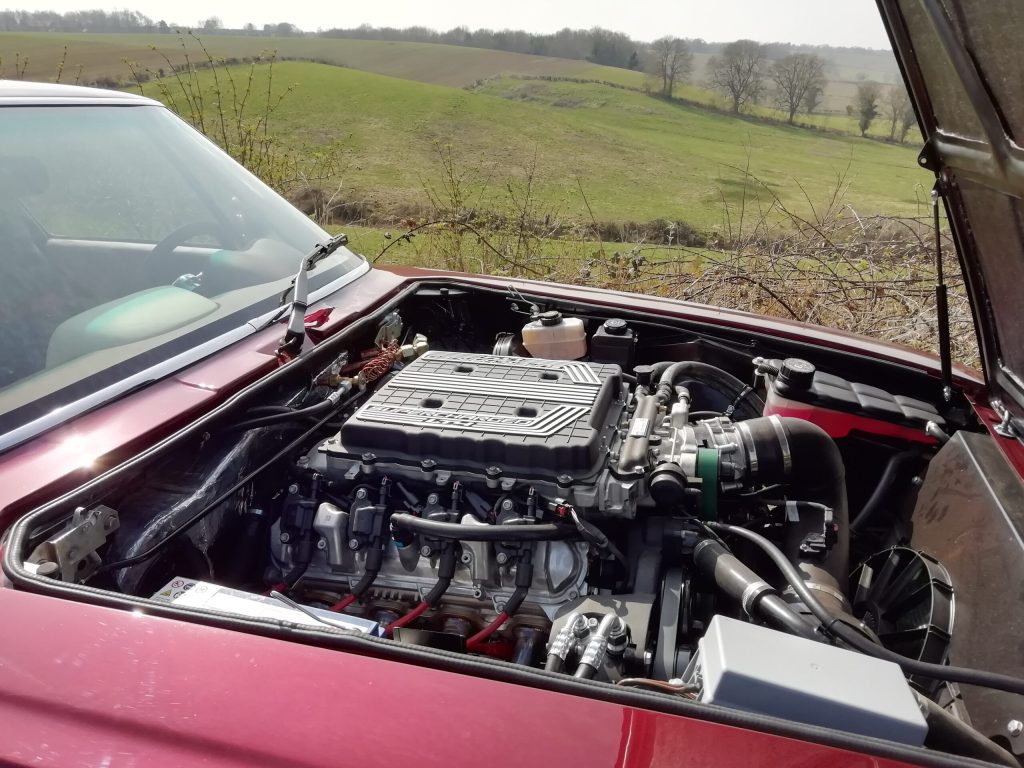


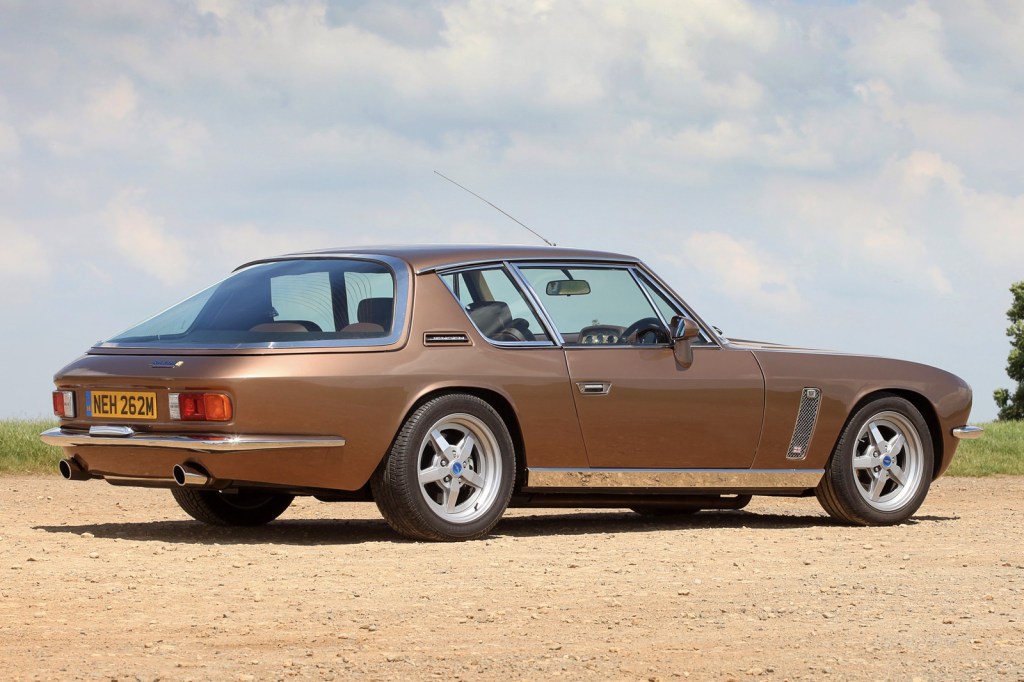
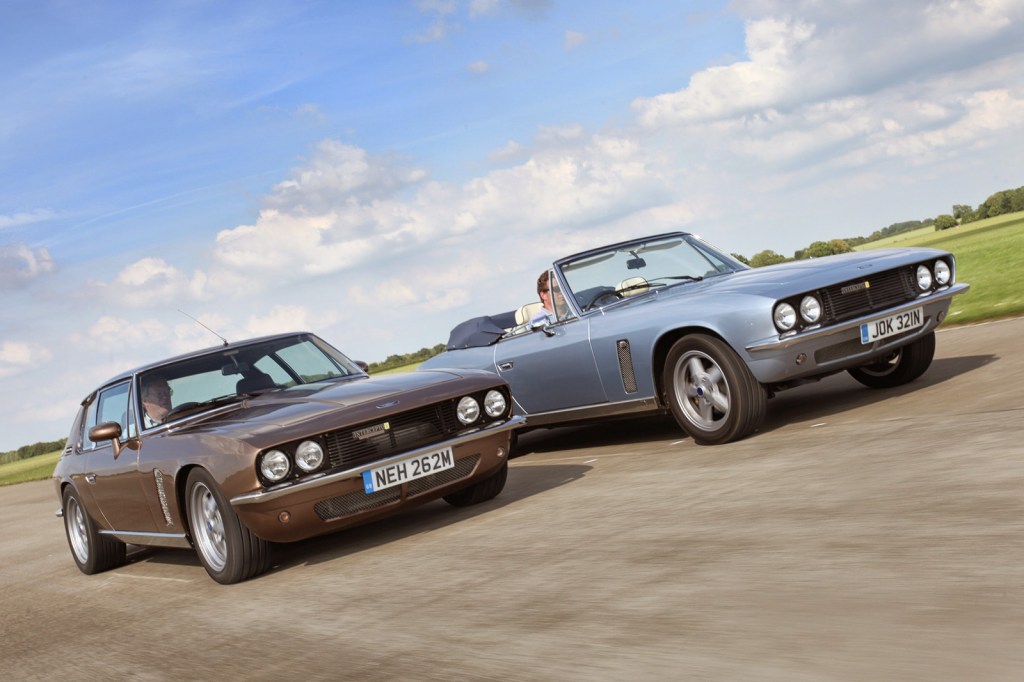
The Jensen Interceptor, on the other hand, left the factory with Italian styling, a big-block Chrysler V8, and the thermal stability of a Chernobyl roof tile. Overheating, electrical gremlins, and a parts catalog thin enough to staple shut are baked into its DNA. Only 6,408 were made, which sounds exclusive until you try to find a windshield gasket on a Sunday.
Yet U.K. based Jensen International Automotive (JIA) will rip one down to bare metal, graft in independent rear suspension, modern brakes, and an LS-series V-8, then warranty it. Suddenly that old British-Italian-American love triangle is a 180-mph daily.
That’s alchemy, folks. They’re turning lead into lead that doesn’t leak coolant.
Why the Underdog Build Hurts More (and Matters More)
- Supply Chains From Hell – Singer can overnight a pedal box from Stuttgart; the Interceptor crowd calls a guy named Nigel who knows another guy with a rusted parts car.
- Brand Perception – A Porsche badge sells itself. You have to explain a Jensen at every Cars & Coffee, usually twice.
- Unknown Unknowns – Old British wiring diagrams were apparently sketched on bar napkins. Good luck reverse-engineering that for your CAN-bus retrofit.
Pull any one of those threads and budgets unravel faster than the original ’70s vinyl seats.
Are the Porsche Wizards Still Legit?
Yes. Re-imagining perfection without ruining the vibe is brutally difficult. Singer’s tolerances make German quality-assurance reps sweat, and Gunther’s 3D-printed throttle bodies look like NASA jewelry. But it’s a different sport from saving a junk-yard special.
Think of it like rock climbing: Porsche work is scaling El Capitan with titanium cams and a GoPro sponsor. Building an Interceptor that doesn’t self-immolate is free-soloing the north face in Crocs. Both feats deserve applause, but one comes with a better snack table.
The Case for a Broader Hall of Fame
If we only celebrate the P-car crowd, we ignore the magicians reviving Iso Grifos, Peugeot 504 coupés, or even Chevy Vegas. The auto world needs those lunatics; they remind us that any unloved metal can be loved back to life with enough MIG wire and espresso.
So next time you see a jewel-box Singer on Instagram, tap that heart. Then scroll until you find the shop coaxing 600 quiet, reliable horses out of a Jensen. Double-tap that, too. Heroism comes in many panels—some of them British and vaguely on fire.

Leave a comment