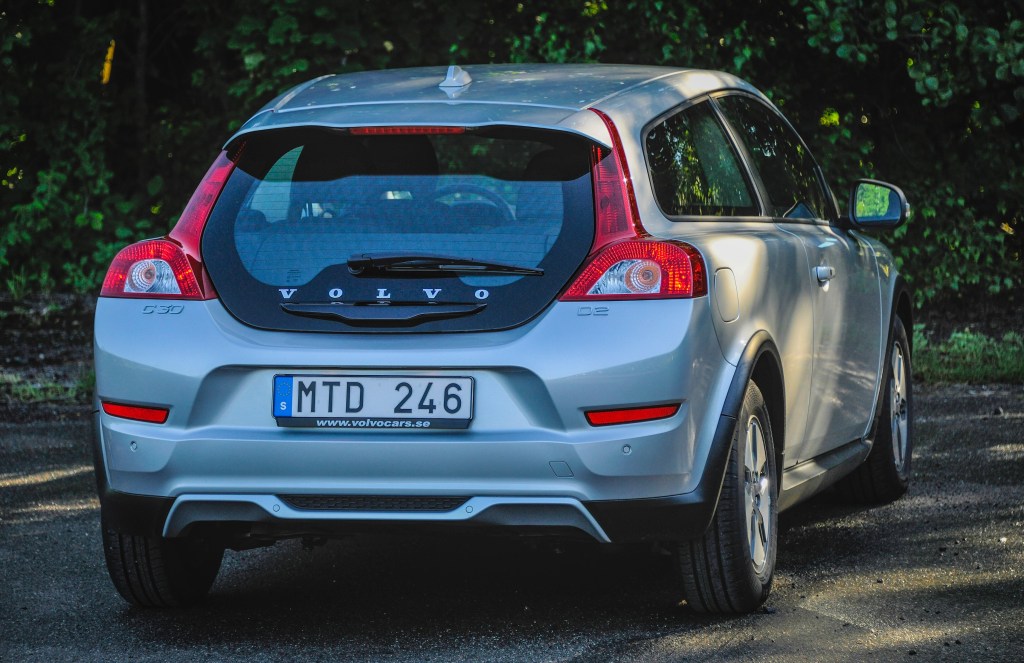
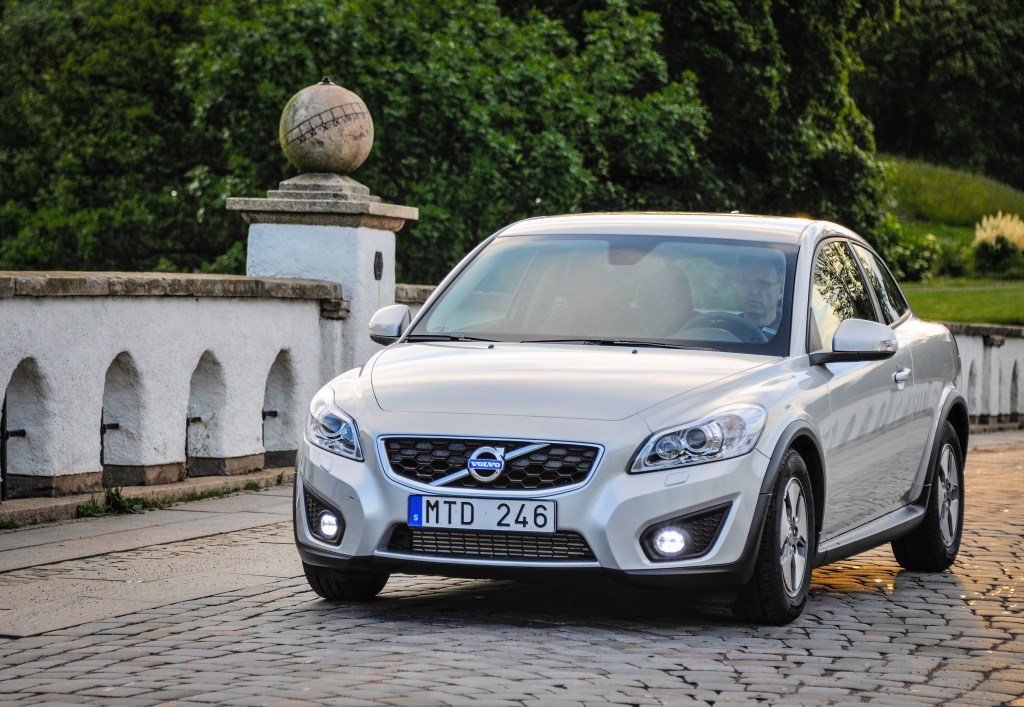
You ever see a car that looks like it was designed with one eyebrow raised? Like it’s slightly judging you for driving anything else? That was the Volvo C30. A stubby, glass-hatched rebel that pulled off looking smug without being a jerk. And somehow, it made practicality look punk.
Released in 2006 and bowing out quietly in 2013, the C30 didn’t exactly storm the sales charts. But that’s never been the Volvo way. This was a car for people who didn’t want to scream their personality from the rooftops—they just wanted to casually gesture toward it with a design language that whispered “I’m cooler than you, and I recycle.”
The Hatch Heard ’Round the World
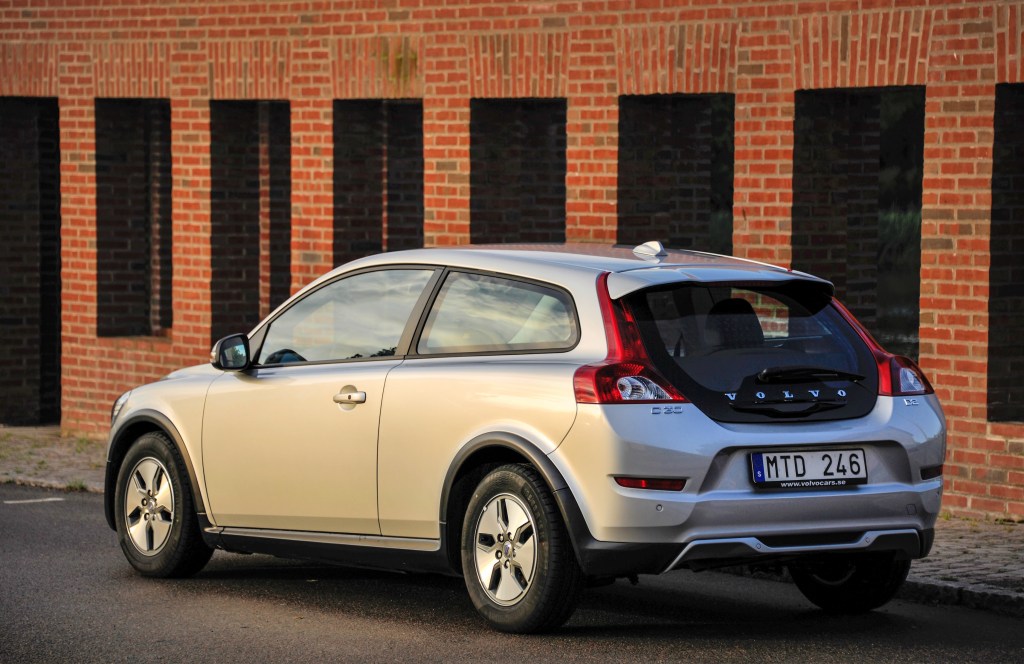
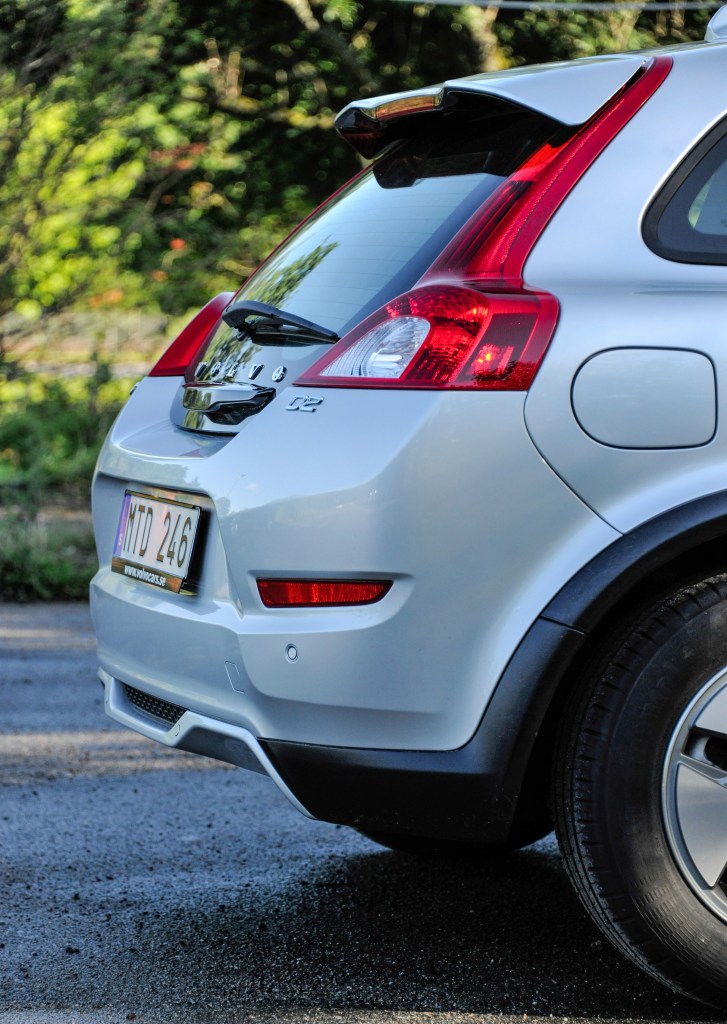
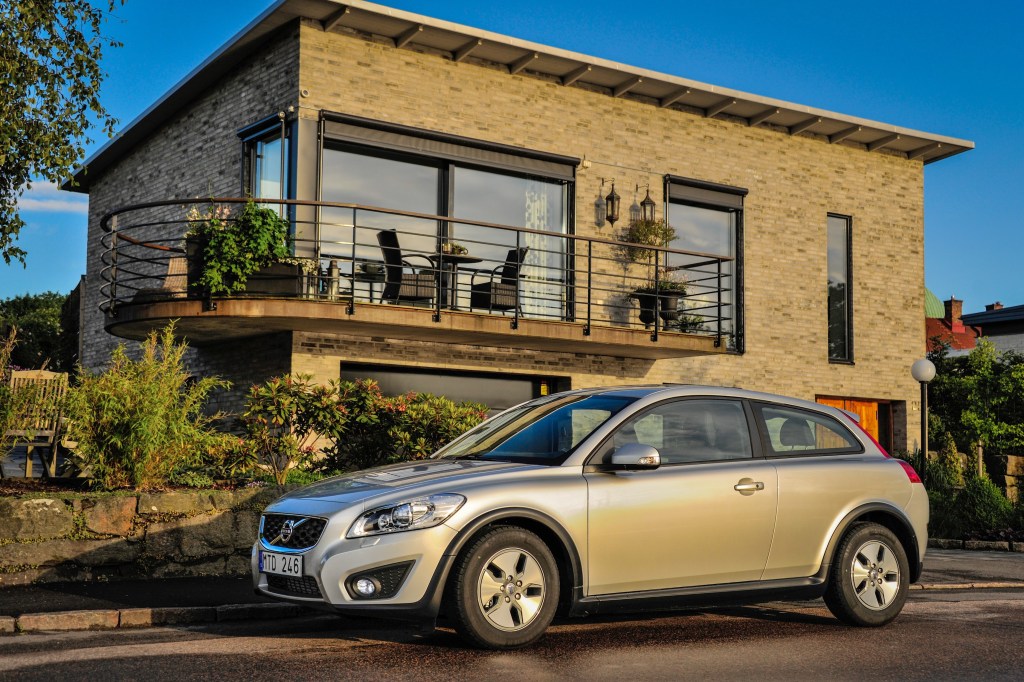
The C30’s signature move? That glorious all-glass rear hatch—a callback to the P1800ES, a 1970s shooting brake so pretty it could’ve been designed with a drafting pen dipped in cologne. On the C30, the glass hatch wasn’t just retro—it was architectural. Framed by oversized taillights like the cheekbones of a Swedish model, it turned your average Trader Joe’s parking lot into a design museum.
That hatch didn’t just hold groceries—it held mystique. Who needs rear visibility when you’re this interesting from behind?
Quirky, But Make It Premium
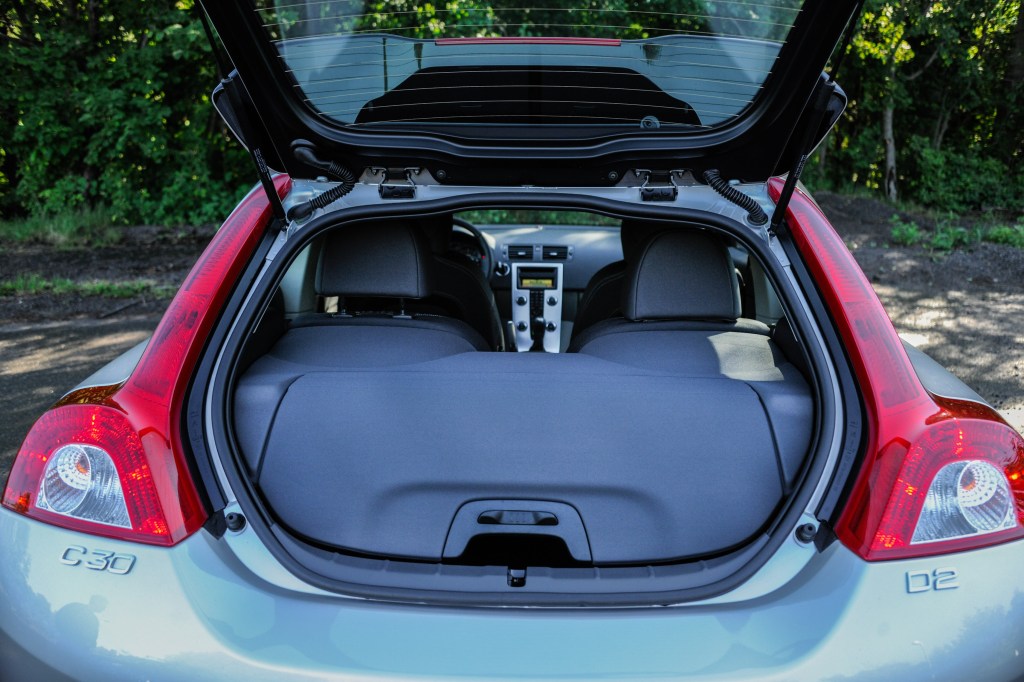
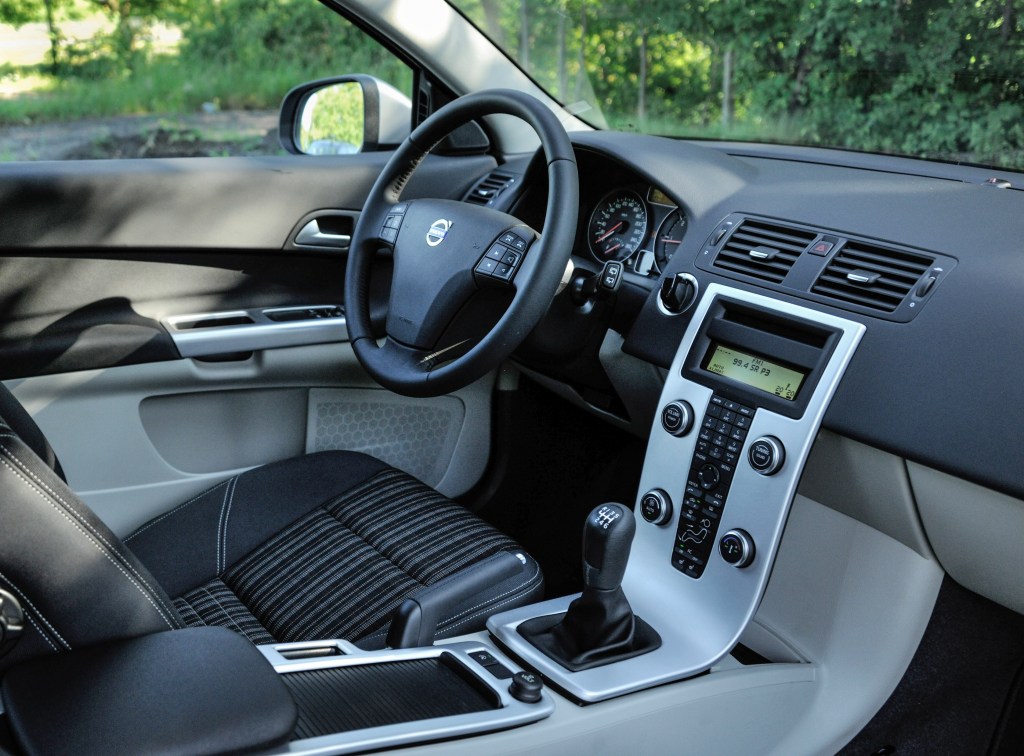
Inside, the C30 sported Volvo’s “floating” center console—another nod to IKEA chic—and the ergonomics of a car designed by people who understand winter. Heated seats, clean fonts, and a weirdly satisfying turn signal click made it feel like a mobile Scandinavian spa.
And while it shared DNA with the Ford Focus (yes, really), the C30 felt far more composed, refined, and mature—like the kid who went to art school and actually made something of themselves. You could spec it like a lounge or like a rocket, especially with the R-Design trim or Polestar-tuned editions that genuinely scooted.
A Car for the Curiously Selective
Volvo C30 drivers never bought it to impress anyone. They bought it because it was exactly what they wanted. Compact, unbothered, safe as a bank vault, and just edgy enough to raise one eyebrow at the sea of silver Corollas. We talked about this type in our deep dive into automotive psychology—the Volvo driver is thoughtful, design-conscious, and allergic to trends. The C30 wasn’t a car you bought impulsively—it was a vibe you subscribed to, after hours of internet sleuthing and reliability research of course.
The Exit, Stage Left
Volvo never really replaced the C30. Sure, there were V40s and XC coupes that kind of wore the badge, but nothing hit the same. It exited the stage just as Volvo was hitting its minimalist, electric stride, quietly slipping out of showrooms and into the niche of classics.
Today, you’ll find clean C30s in the wild with devoted owners, quietly doubling down on their choice to daily-drive a design statement. And unlike most hatchbacks, it aged like a bottle of glögg—uniquely, confidently, and with just enough spice to make you smile.
So here’s to the C30. The car that made the back of the car the best part of the car.

Leave a comment