From Tesla to Ineos: Why Everyone and Their Crypto Broker Thinks They Can Build Cars Now
There was a time when starting a car company required more than a sleek logo and a press release featuring a digital concept doing donuts in a CGI desert. You needed a factory. You needed dealers. You needed billions in capital, decades of supply chain relationships, and enough legal stamina to survive death by crash testing.
Now it’s 2025 and everyone is out here acting like launching a car brand is just a spicier form of startup hustle you see on TikTok.
Let’s talk about why the car market suddenly looks like a Shark Tank pitch.
The Tesla Effect: First They Laughed
Before there was Lucid’s luxury lounges or Rivian’s camp kitchens, there was Tesla, fumbling its way through Lotus gliders and flaming Roadsters.
Legacy auto laughed. Then they panicked.
Tesla showed it was possible—through sheer audacity, heavy subsidies, and a fanbase that would die for Elon—to challenge the old guard. They didn’t need dealerships. They didn’t need ads. They didn’t even need to build cars reliably, so long as the stock price went up.
More importantly, Tesla didn’t just break into the industry—they built a cult (allegedly, please don’t sue). And cults are great for recurring revenue (again, allegedly).
The Floodgates Open: EVs and the Blank Slate
Electric vehicles changed the game. Forget tuning engines or building transmissions; thousands of moving parts—suddenly, your biggest problem was batteries, software, and supply chain sourcing from Chinese factories you may have found on Alibaba.
EVs let companies skip a hundred years of combustion legacy. There’s no heritage to battle. No engine sound to defend. Just a clean slate and a cool interface.
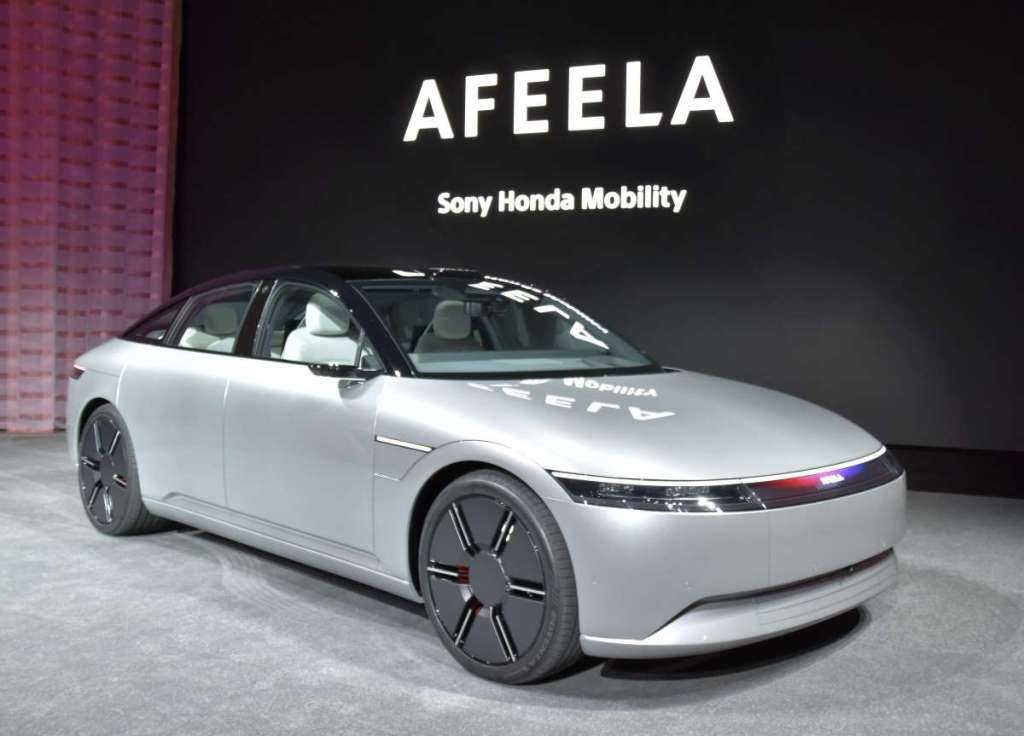
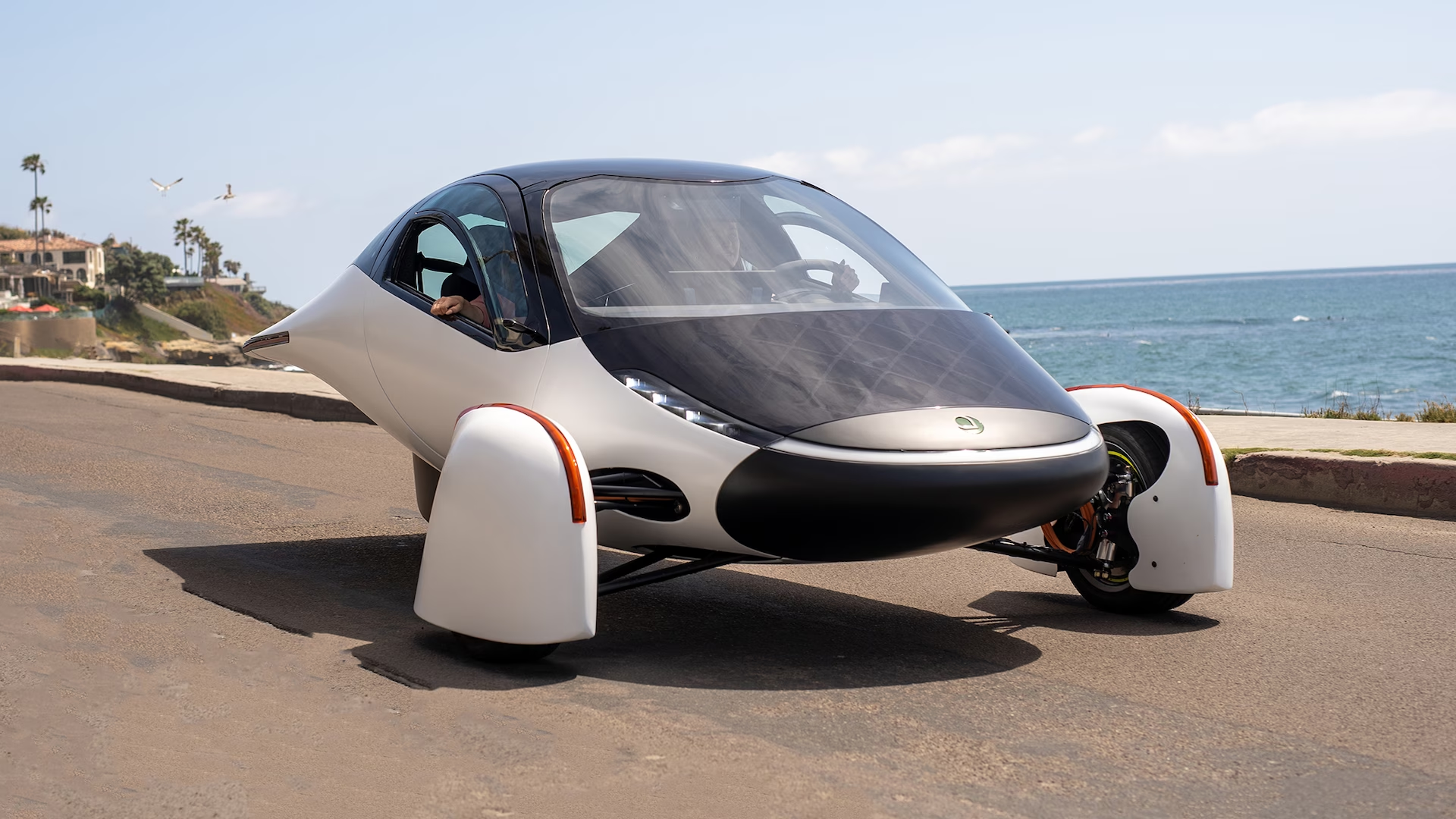
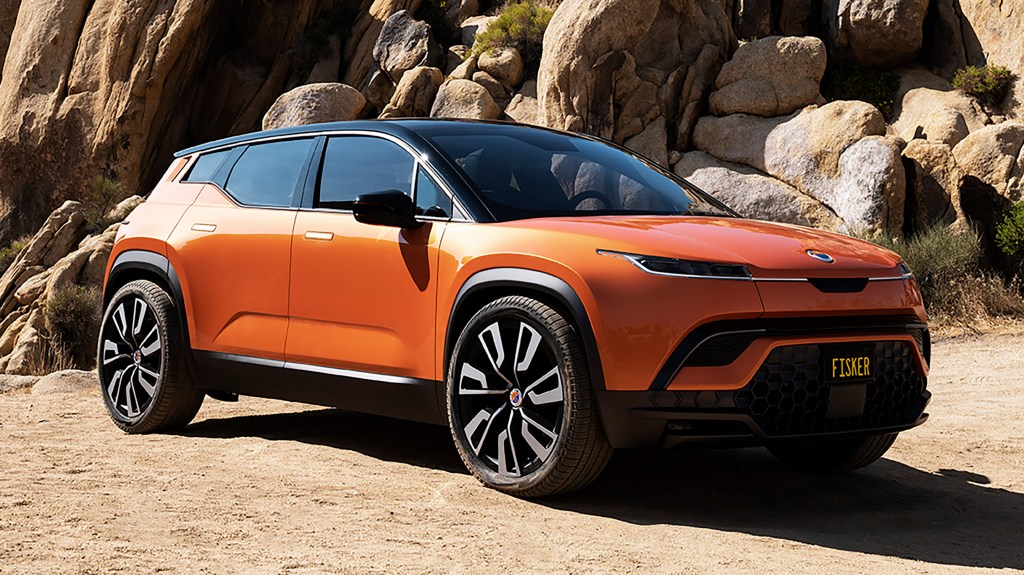
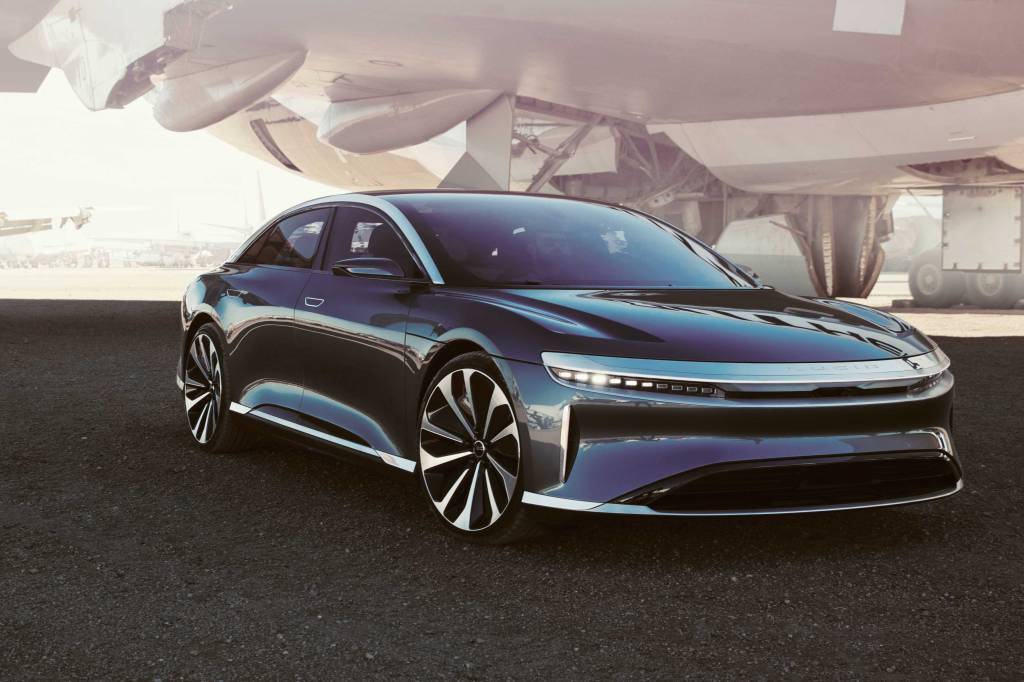
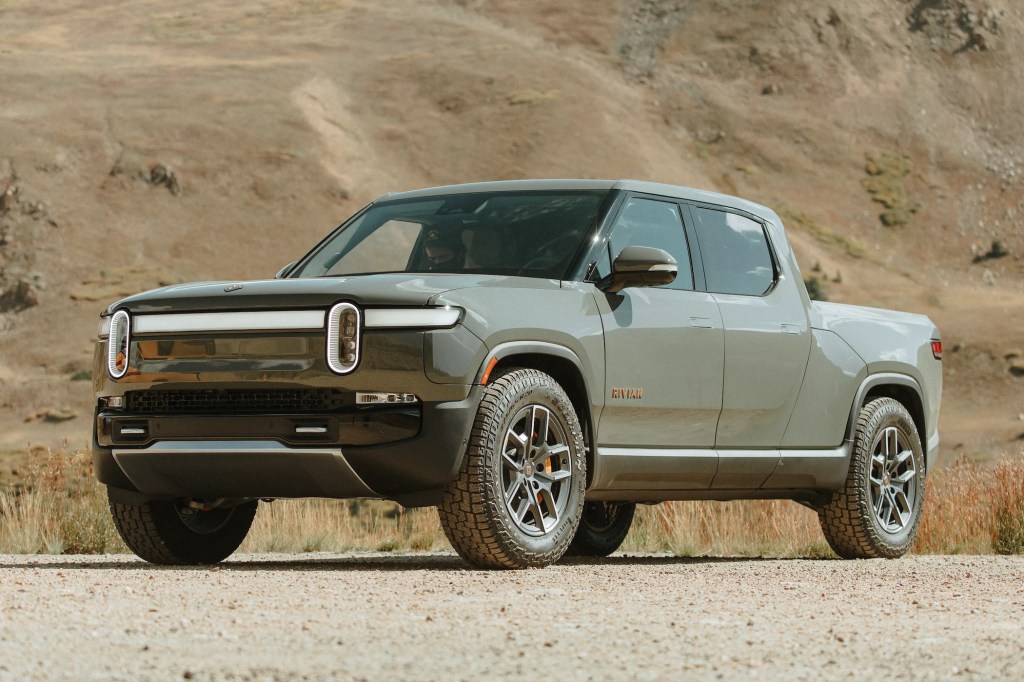
Lucid, Rivian, Fisker, Aptera, and even Sony Honda Mobility all saw the same thing: You don’t need to beat Ford at building trucks—you just need to sell an idea that sounds better and a younger marketing department.
What Actually Makes the Survivors Stick?
Here’s where things get spicy. Most of these brands are playing in the tech/startup lane, not the traditional auto space. And just like in Silicon Valley:
Winners have:
- Clear vision and niche appeal: Rivian = adventure bros. Lucid = silent luxury. Tesla = cult of personality + infrastructure.
- Control of core tech: Tesla and Lucid build their own drivetrains and software. That’s a big edge.
- Money: Amazon didn’t just invest in Rivian for fun. It was a logistics play. You need friends with absurd bank accounts.
- A real product (eventually): Model S. R1T. Air Dream Edition. If it rolls and stops and goes viral? You’ve got a chance.
What Kills the Others?
The usual suspects:
- Overpromise, underdeliver: Fisker has spent more time teasing features than delivering working cars.
- Outsourcing too much: If you don’t control your software, your manufacturing, or your service? You don’t control your future.
- No customer support plan: Cool you built a car. Who’s fixing it when it breaks in Ohio?
- Buzz without infrastructure: Ask Lordstown Motors how long good PR lasts without a reliable truck or a solvent factory. Wait, who is Lordstown Motors? Exactly.
The New Wave: Scout, Ineos, and Retro Reboots
Now even legacy-adjacent players are getting in on the act. VW is reviving Scout like a Lifetime movie reboot. Ineos is making the Grenadier because some rich guy got mad the Defender went soft.
These aren’t “startups” in the traditional sense. They’re well-funded, niche-focused players taking advantage of brand nostalgia and gaps in the market that the Big Three can’t pivot toward fast enough. It’s a tale as old as time—David and Goliath, but in this version, Goliath was David’s personal trainer.
And consumers? We’re suckers for a good story. The market for cool, capable, or just different cars is alive and well—especially if they promise a return to something we’ve been told we lost.
So… Should You Start a Car Brand?
No. Absolutely not. Unless you want a string of movies and docu-series about yourself trying to keep your newly founded car company alive by selling drugs to the FBI (not allegedly on this one, he really did it).
Otherwise, sit back and enjoy the weirdest, most chaotic, and occasionally brilliant era of new automakers since Henry Ford kicked off production.
We might just get a few legends out of it.

Leave a comment