Saab, the quirky Swedish automaker that captured the hearts of engineers, rally enthusiasts, and design aficionados, had one of the most unusual trajectories in automotive history. Born from the aeronautics industry, Saab’s rise to fame was marked by innovation, individuality, and an undeniable Scandinavian charm. Unfortunately, its demise was just as dramatic, marred by financial struggles, corporate mismanagement, and a changing automotive landscape. Let’s take a look at how a company that made fighter planes ended up making some of the most beloved (and sometimes baffling) cars on the road.
Humble Beginnings: A Car Born from the Sky
Saab (Svenska Aeroplan Aktiebolaget) started as an aircraft manufacturer in 1937, supplying fighter planes for Sweden’s military. After World War II, the company saw an opportunity to pivot to the automotive industry, using its expertise in aerodynamics and engineering to create cars unlike anything else on the market.
In 1949, Saab introduced the 92, a streamlined, two-stroke-powered oddball with a body shaped by wind tunnel testing—a concept unheard of at the time for passenger vehicles. It was light, efficient, and, most importantly, durable in Sweden’s harsh winters.


Innovation and Quirkiness: The Saab Way
What set Saab apart was its relentless pursuit of innovation. Over the years, the company introduced several industry firsts, including:
- Front-Wheel Drive (1950s) – When most cars were still rear-wheel drive, Saab championed front-wheel drive for better handling in snowy conditions.
- Turbocharging (1977 Saab 99 Turbo) – While turbochargers existed in performance and racing applications, Saab made them mainstream for everyday driving.
- Heated Seats (1971) – Originally meant to alleviate back pain for Swedish taxi drivers, this feature became a staple in luxury cars.
- Night Panel (1993 Saab 900) – Inspired by fighter jets, Saab introduced a dashboard that allowed drivers to turn off all but essential instruments for reduced nighttime distractions.
The Saab 900 and Saab 9000 cemented the brand’s identity, appealing to architects, college professors, and rally enthusiasts alike. The cars were built like tanks but handled like go-karts, creating an almost cult-like following.
The GM Era: A Struggle for Identity
By the late 1980s, Saab was struggling financially. Despite its engineering prowess, the company’s small size made it difficult to compete with global giants. Enter General Motors, which bought a 50% stake in Saab in 1989 and later acquired full ownership in 2000.
While GM’s deep pockets should have been a lifeline, the relationship quickly soured. Cost-cutting measures led to badge-engineered Saabs—essentially GM vehicles with minor Saab touches. The Saab 9-2X (a rebadged Subaru WRX) and the 9-7X (a rebadged Chevrolet Trailblazer) were uninspired attempts to broaden Saab’s appeal, but instead alienated loyal fans.
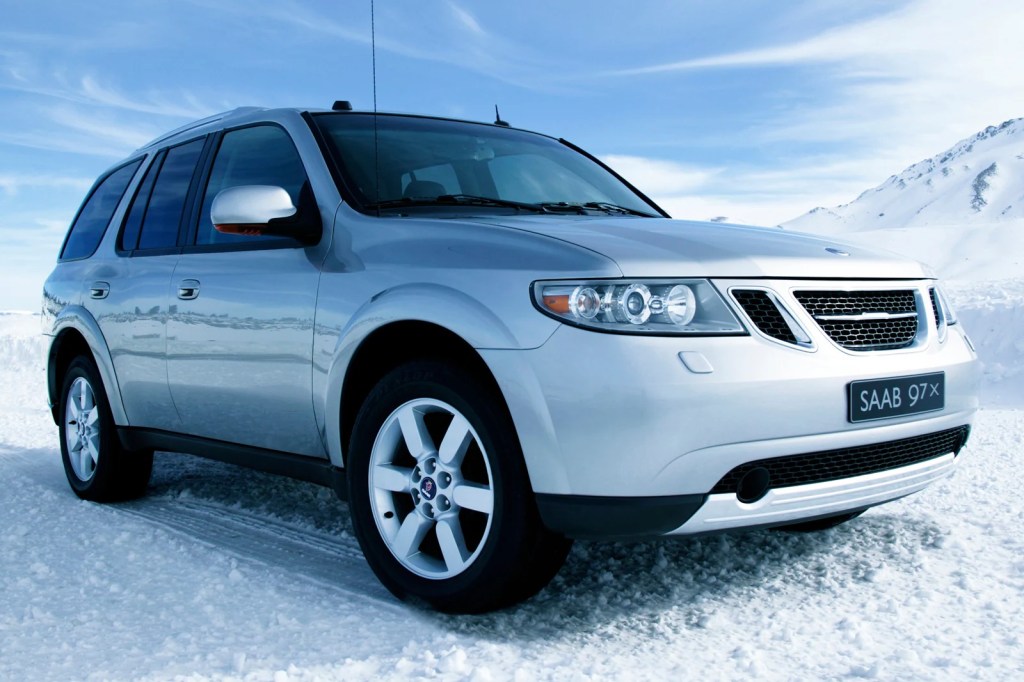
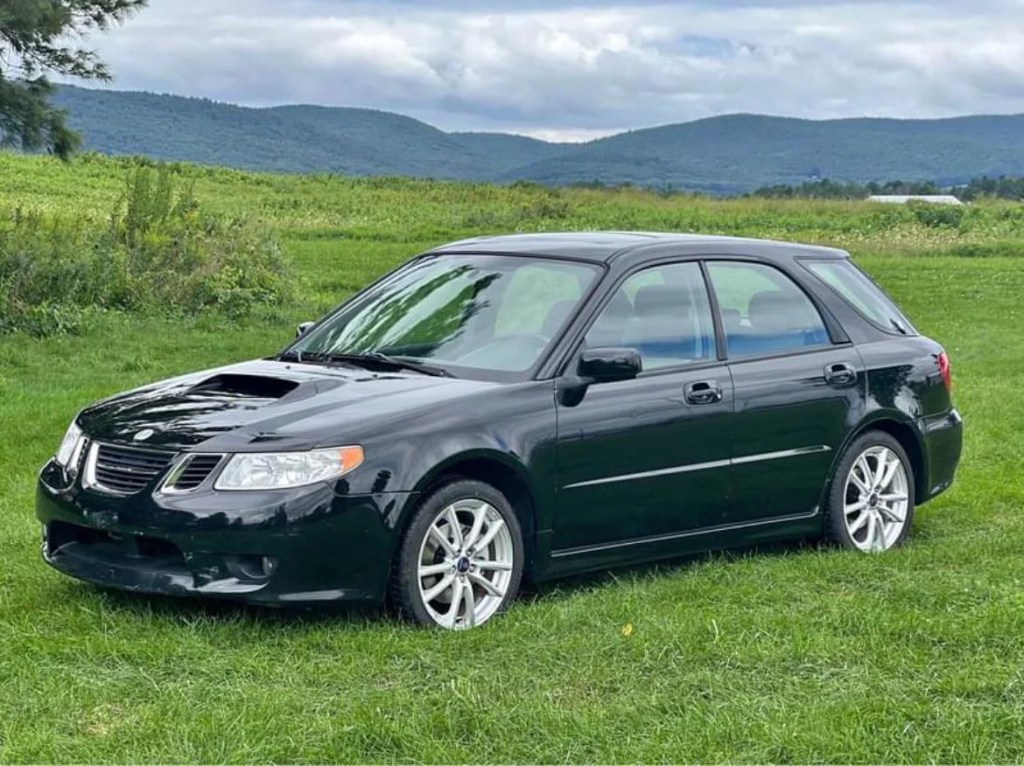
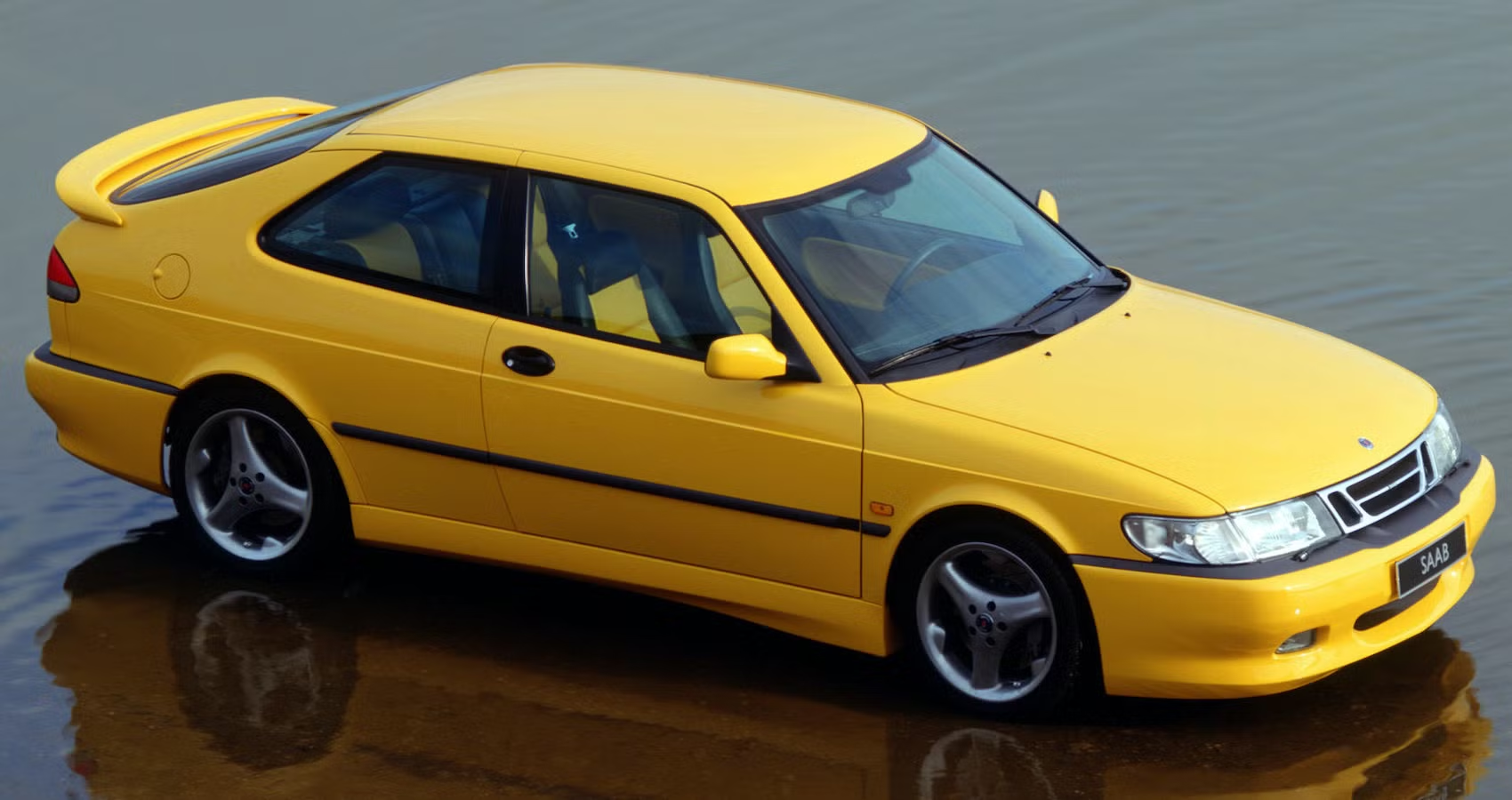
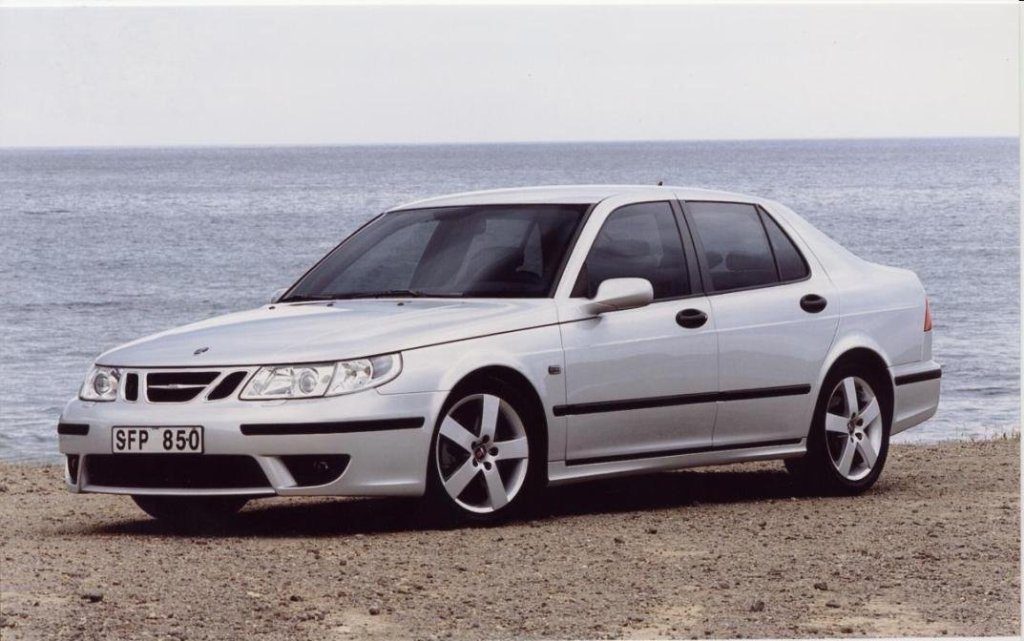
However, GM did produce a few gems under Saab’s banner, such as the Saab 9-5 Aero and the Saab 9-3 Viggen, which kept the brand’s sporty yet sophisticated identity alive.
At one point, GM attempted to save costs by providing Saab with a chassis from their existing lineup. Rather than simply adapting the platform as intended, Saab engineers drastically reworked it. They shortened the chassis, redesigned critical components, and essentially built a new vehicle from the ground up—all of which negated the cost-saving intent. By the time it was finished, the Saab version was nearly unrecognizable compared to its GM donor platform, further straining the relationship between the Swedish engineers and their American parent company.
The Downfall: Mismanagement and Financial Collapse
As the 2008 financial crisis hit, GM, itself on the verge of bankruptcy, decided to offload Saab. The brand was sold to Dutch supercar maker Spyker in 2010, but the transition was rocky at best. Spyker lacked the financial stability to keep Saab afloat, and by 2011, Saab declared bankruptcy.
Attempts to revive the brand through National Electric Vehicle Sweden (NEVS) fizzled out due to financial and logistical hurdles. A few electric Saab 9-3 prototypes were produced, but nothing substantial materialized. By 2016, the Saab name was permanently retired from the automotive world.
Saab’s Legacy: A Brand That Refused to Conform
Despite its demise, Saab remains one of the most beloved automotive brands of all time. Its commitment to safety, turbocharged performance, and unorthodox design choices made it a standout in an increasingly homogenized industry. Saab cars still roam the roads today, lovingly maintained by enthusiasts who refuse to let the brand disappear completely.
For those who drove (or still drive) a Saab, it was never just a car—it was a statement. A testament to engineering ingenuity, aeronautical roots, and the refusal to blend in.
As the automotive industry continues to evolve, one can only wonder what a modern-day Saab might have looked like. But if history has taught us anything, it would have been delightfully weird, unexpectedly brilliant, and undeniably Swedish.

Leave a comment