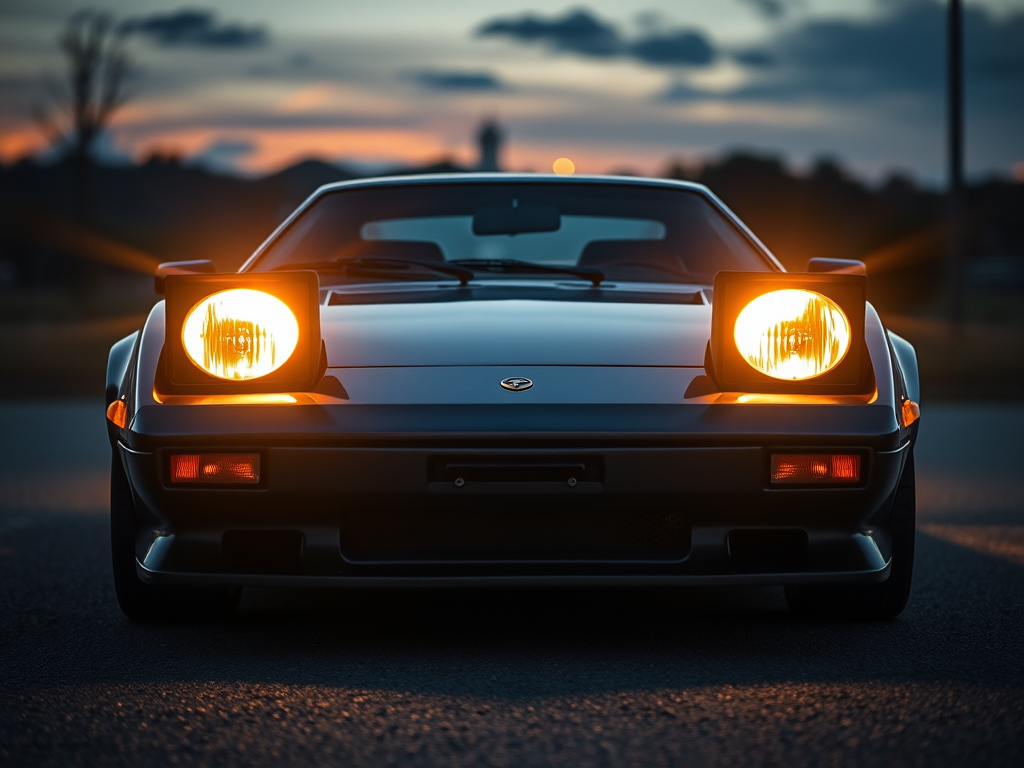
There was a time when cars winked at you. From the sleek Ferrari Testarossa to the humble Mazda Miata, pop-up headlights were a defining feature of some of the coolest cars of the 70s, 80s, and 90s. They weren’t just functional—they had personality. But then, almost overnight, they vanished. No more hideaway lights, no more surprise reveals when you flicked on the switch. So what happened? Why did automakers kill off one of the most beloved design quirks in automotive history?
The Golden Age of Pop-Up Headlights
Before they disappeared, pop-up headlights were everywhere. They were an easy way for designers to maintain sleek, low-profile front ends while still meeting headlight height regulations. Some of the most legendary cars in history featured them:
- Lamborghini Countach – Because looking fast wasn’t enough, it needed hidden lights to look faster.
- Pontiac Firebird Trans Am – When Knight Rider needed a car, it had to have pop-ups. It was the law.
- Mazda RX-7 FC & FD – One of the most beautifully balanced sports cars, plus an extra mechanical failure point in the headlights.
- Chevrolet Corvette C5 (and earlier models) – Because every Corvette should have an excuse for electrical gremlins.
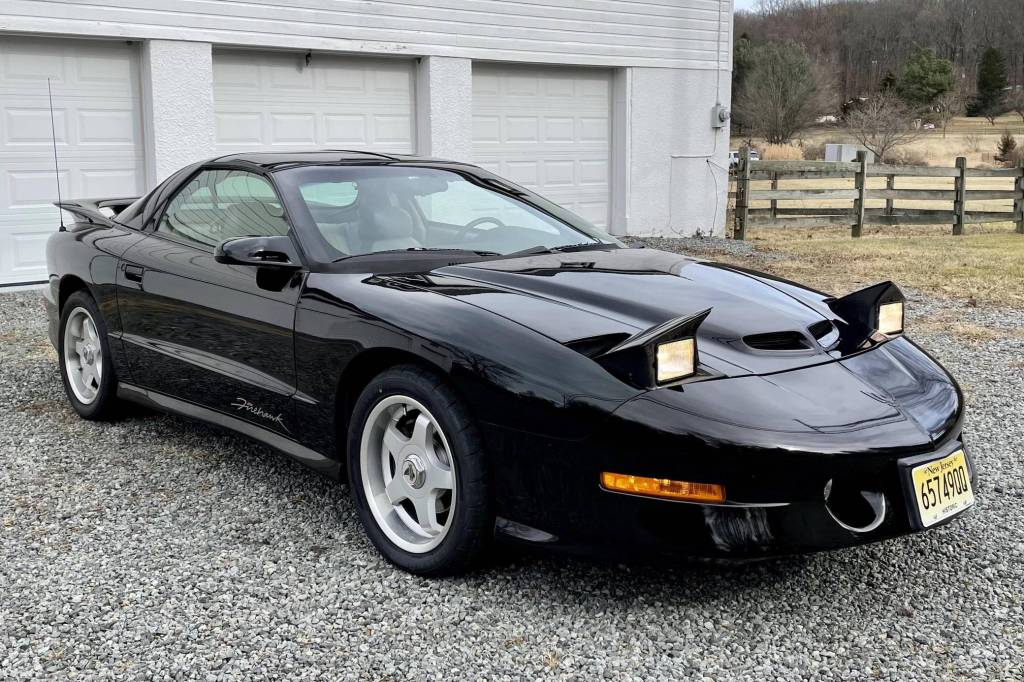
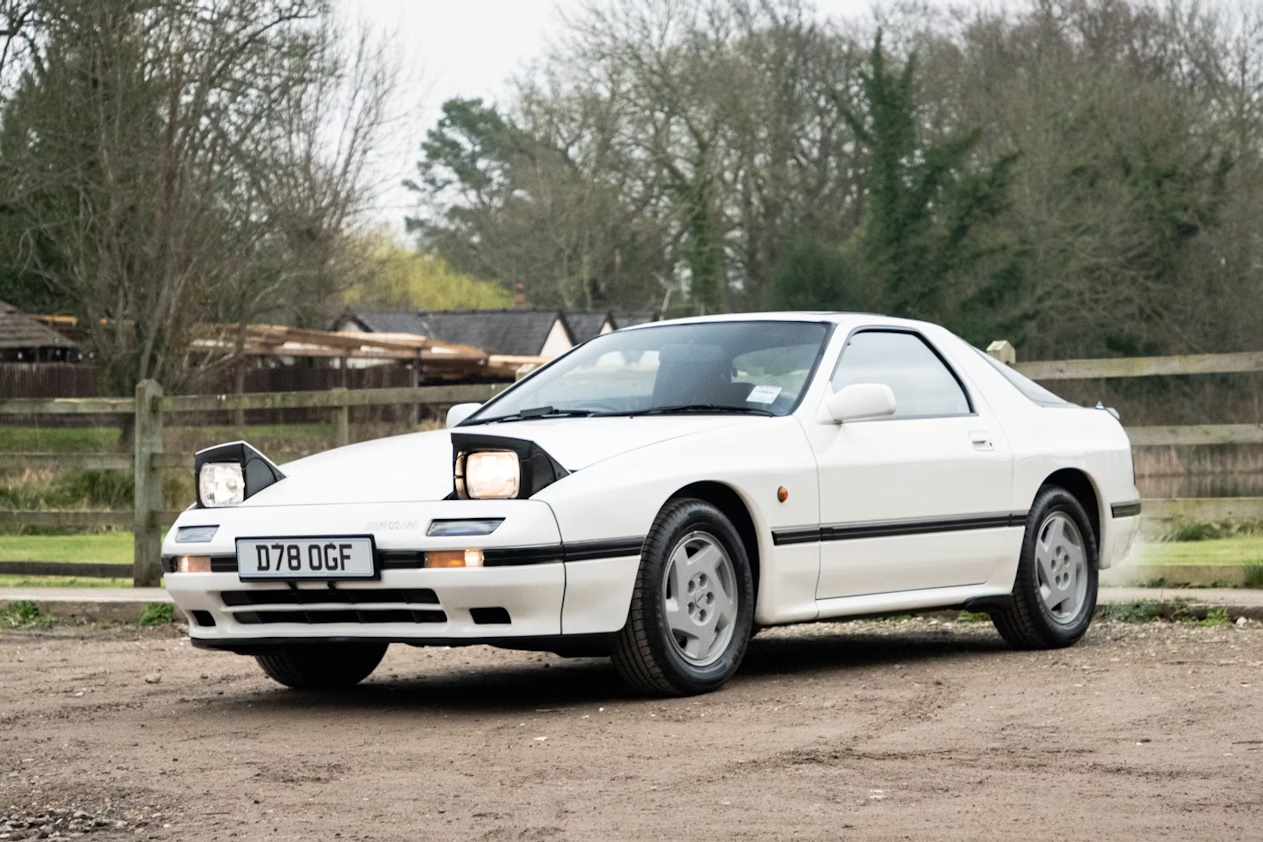
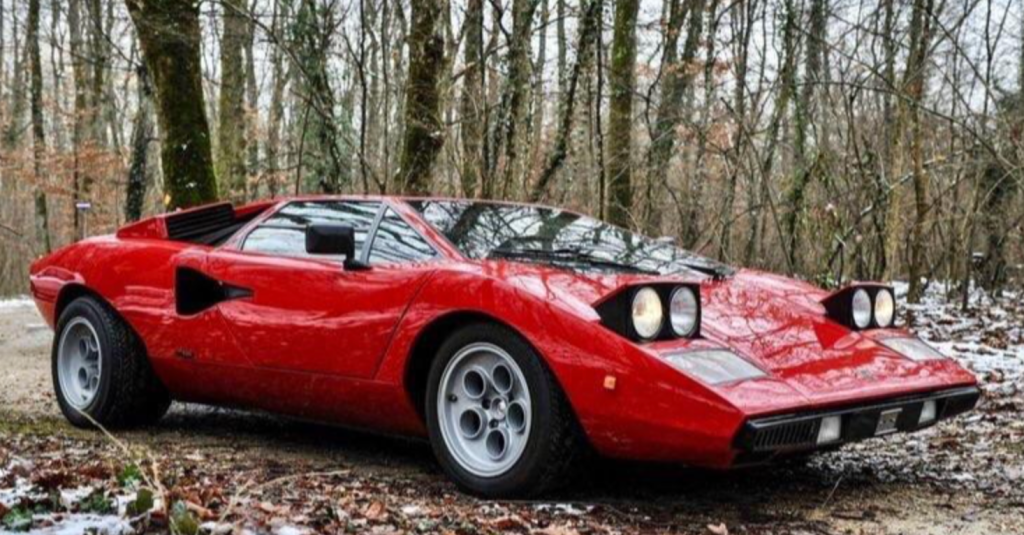
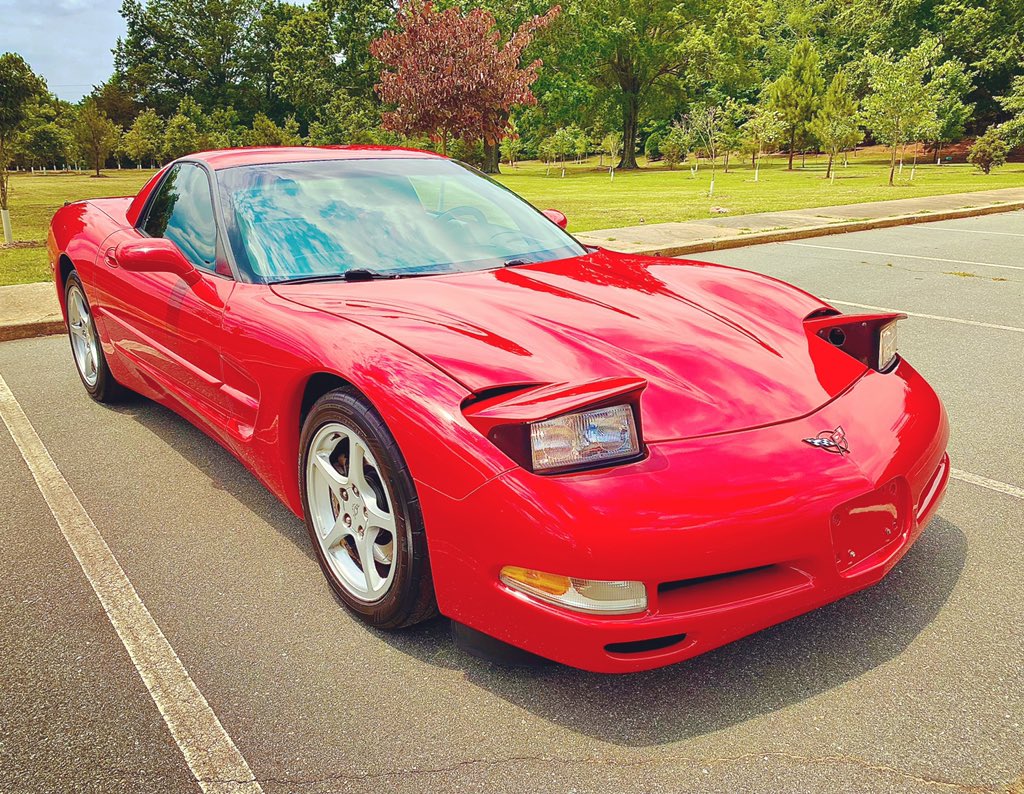
They weren’t just cool; they were fun. Turning on your headlights wasn’t just an action—it was an event.
What Killed the Pop-Up Headlight?
1. Safety Regulations Ruined Everything
Like most fun things in the automotive world (manual transmissions, cheap sports cars, unrestricted Autobahn speed limits), pop-up headlights were doomed by safety concerns.
The European Union introduced new pedestrian safety regulations in the early 2000s, which required automakers to design front ends that were more forgiving in case of an accident. A flat hood with pop-up headlights? Not so forgiving. The potential for an unassuming pedestrian to take a flying metal lid to the kneecaps meant that automakers had to rethink their designs.
2. Aerodynamics & Fuel Efficiency Became a Priority
By the late 90s and early 2000s, automakers became obsessed with reducing drag and improving fuel economy. Having two tiny air brakes pop up in front of your car every time you needed headlights wasn’t exactly great for aerodynamics.
Fixed headlights allowed designers to create more streamlined, wind-cheating shapes. Less drag meant better fuel efficiency, and in an era of tightening emissions regulations, every bit of efficiency mattered.
3. Cost & Complexity Weren’t Worth It Anymore
Pop-up headlights added extra moving parts, more wiring, and another potential failure point. Let’s be honest—if you’ve ever owned a car with pop-up headlights, you know at least one of them probably stopped working properly at some point.
- Maybe one light went up while the other stayed down, making your car look like it was perpetually flirting with oncoming traffic.
- Maybe the motors failed completely, and you had to manually crank them up, making your once-sleek sports car look like it had permanently surprised eyebrows.
- Maybe, in the case of cars like the Lotus Esprit, they just straight-up refused to work unless you performed a secret ritual involving a wrench and a prayer.
By the time the 2000s rolled around, automakers saw no reason to keep making pop-up headlights. They were expensive to produce, costly to maintain, and made no sense in an era of sleek, aerodynamic design.
The Last Car With Pop-Up Headlights
The final holdout for pop-up headlights was the 2004 Chevrolet Corvette C5, marking the end of an era. Since then, no major manufacturer has dared to bring them back—except for the occasional concept car that teases enthusiasts with false hope.
Why We Still Love Them
Pop-up headlights weren’t just a design feature—they were character. They made cars feel alive. They turned your headlights into an interactive experience rather than just another static part of the car.
They also had a sense of humor. If you’ve ever seen an old Miata with its lights stuck half-open, it looks like it just woke up from a nap and hasn’t had coffee yet.
And while modern LED lighting is sleek and futuristic, there’s something deeply satisfying about the mechanical clunk of a set of pop-ups rising from their hidden compartments.
Will Pop-Up Headlights Ever Make a Comeback?
Probably not. Between modern safety laws, aerodynamics, and cost concerns, there’s little chance we’ll see pop-up headlights on a production car again. However, the spirit of pop-ups lives on in the enthusiast community.
From retrofits to custom builds, die-hard fans still modify their cars to bring back the magic of hideaway lights. The nostalgia is strong, and in a world where car design is becoming more uniform, pop-up headlights remind us of a time when cars had personality.
Final Thoughts
They might be gone, but they’re definitely not forgotten. Pop-up headlights represent a golden era of automotive design—one where style sometimes took precedence over practicality, and where cars were allowed to have a little bit of fun.
So, if you ever see an old Miata, a C4 Corvette, or a 300ZX with its headlights blinking up at you, give it a nod. Those cars are a dying breed.
And who knows? Maybe one day, some brave automaker will bring them back—just for the fun of it.

Leave a comment