The Cannonball Run is an underground automotive legend. No checkpoints, no official sanctioning body—just the raw challenge of driving from the Red Ball Garage in New York City to the Portofino Hotel in Redondo Beach, California, as fast as possible. If this sounds like a Fast & Furious fever dream, that’s because it is. But unlike a Hollywood script, these record-breaking runs are real, happening under the cover of darkness, relying on technology, strategy, and an unholy amount of luck.
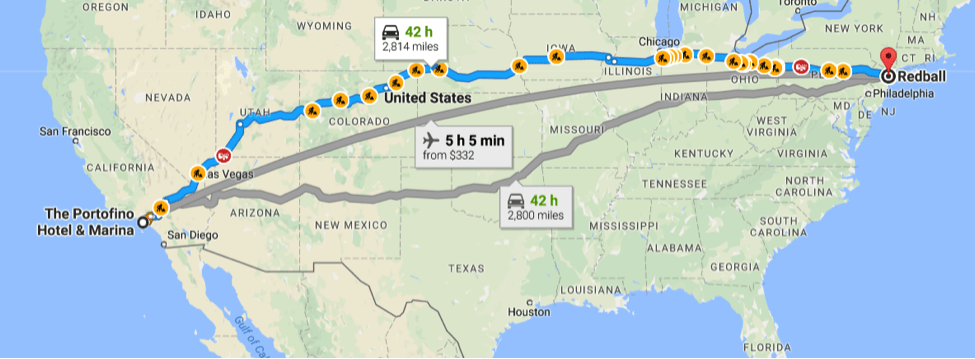
No one personified this better than Alex Roy, the man who popularized modern Cannonball Runs by meticulously planning and executing an illegal coast-to-coast blast that redefined endurance driving. His 2006 record of 31 hours, 4 minutes in a modified BMW M5 (E39) was an absurd achievement at the time, thanks to a combination of brute driving ability, strategic deception, and some of the most sophisticated tech ever crammed into a vehicle.
But what does it actually take to drive from coast to coast in such an insanely short time? Let’s break it down.
1. The Car: A Highway Missile With a Stealth Mode
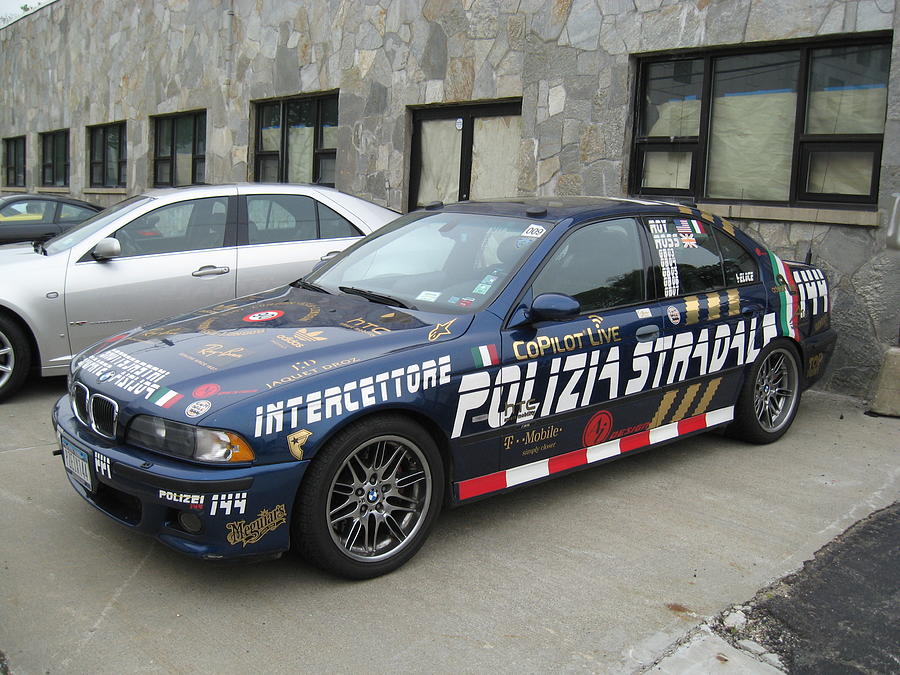
At the heart of any Cannonball attempt is a car that’s both blisteringly fast and subtly invisible. Alex Roy’s choice, a 2000 BMW M5, was a perfect blend of these qualities. It had a 400-horsepower V8, Autobahn-tested high-speed stability, and just enough of a sleeper look to avoid unwanted attention.
But a stock car wouldn’t cut it. Roy and his team made key modifications, including:
- Auxiliary Fuel Tanks: A stock M5 would need at least 9-10 fuel stops. With a custom tank system, they reduced stops to just four, refueling in less than five minutes each time.
- Blackout Light Setup: The car’s taillights and interior lights could be disabled to avoid detection at night.
- Radar/Lidar Shielding: The car was coated with a stealthy matte-blue wrap to reduce reflections for police radar. While this was more paranoia than necessity, every little bit helped.
2. The Tech: Outrunning the Law with Gadgets
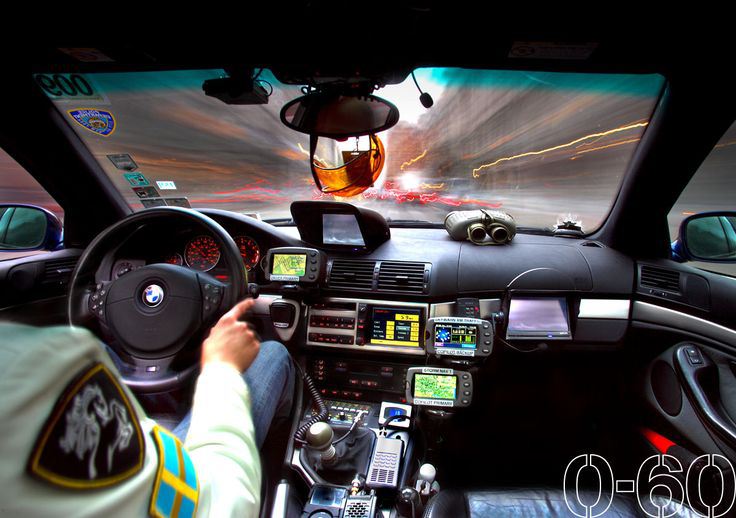
Speed alone doesn’t win a Cannonball. Avoiding law enforcement is just as crucial. Roy’s car was bristling with technology that would make even James Bond jealous.
Radar & Lidar Jamming
- Escort 9500ci Radar Detector – This high-end detector scanned for police radar guns in real time. This unit can also be integrated into the vehicle for a seamless look.
- Valentine One Radar Detector – Unlike the Escort, this detector gave directional alerts, telling them whether a speed trap was ahead or behind.
- Blinder M20 Laser Jammer – Most speed traps use laser (lidar), which traditional detectors can’t stop. The Blinder system actively jammed police laser guns, giving the team a precious few seconds to slow down.
Police Radio Eavesdropping
- Uniden BCT15X Scanner – Tuned into police frequencies along the route to detect roadblocks or speed traps ahead.
Aircraft & Heat Detection
- FLIR Night Vision Camera – Yes, Roy’s team had military-grade thermal imaging mounted on the car to spot potential police cars hiding in the dark.
Navigation & Data Logging
- Three GPS Systems Running Simultaneously – Redundancy was key, using Garmin and Magellan units along with a laptop-based moving map.
- Spotters and Live Intel – The team had a network of friends monitoring real-time road conditions via phone and radio.
3. The Luck Factor: Dodging Cops, Traffic, and Random Chaos
Despite all the preparation, any Cannonball attempt is at the mercy of luck. You’re covering 2,800+ miles at an average speed of 90 mph, so any of the following can ruin a run:
- Police Activity: One mistimed speed trap could cost 20+ minutes. Roy and his co-driver were stopped only once in Oklahoma, but managed to talk their way out of it.
- Traffic and Construction: A single backup in a major city like St. Louis or Denver could destroy an attempt.
- Weather: Rain, fog, or snow would make high-speed driving suicidal.
- Mechanical Issues: A tire blowout at 130 mph? Game over.
Even with meticulous planning, they needed good fortune. One mistimed flat tire or a careless trucker could have meant the difference between success and failure.
4. The Pace: How Do You Maintain a 90+ MPH Average?
The numbers are hard to grasp, so let’s break them down:
- To complete the run in 31 hours, 4 minutes, you need an average speed of 90 mph.
- That includes fuel stops, bathroom breaks, and any slowdowns for traffic or police evasion.
- To maintain this, the team frequently cruised at 110-140 mph in open stretches, slowing only when necessary.
To put that in perspective:
- A regular road trip from NYC to LA takes 42-50 hours with normal fuel stops and food breaks.
- A typical interstate speed limit is 70-75 mph, meaning they were traveling 25-50% faster than legal speeds at all times.
- Driving for 31 hours straight at these speeds requires extreme focus, caffeine, and probably some questionable life choices.
5. The Aftermath & The Evolution of Cannonball Runs
Alex Roy’s record stood until 2013, when Ed Bolian obliterated it with a 28-hour, 50-minute run. Since then, multiple teams have set new records, with the current best standing at 25 hours, 39 minutes (achieved during the COVID-19 lockdowns).
What’s changed?
- Better Cars: Twin-turbo German sedans with 600+ horsepower are now the weapon of choice.
- More Advanced Electronics: Today’s Cannonballers use drone surveillance, encrypted police radio scanners, and AI-driven traffic forecasting.
Yet, despite all these advancements, Roy’s 2006 run remains legendary because it was the first modern, high-tech Cannonball—an audacious act of planning, skill, and sheer nerve.
Conclusion: The Ultimate Outlaw Race
Cannonball Runs are part of a uniquely American tradition—defying rules, pushing machines to their limits, and laughing in the face of common sense. Alex Roy didn’t just set a record; he redefined what was possible in underground endurance driving.
As long as there are fast cars, long highways, and people crazy enough to challenge the impossible, the spirit of the Cannonball will never die.

Leave a comment