
Ever seen a car that looks like it rolled straight out of a classic movie and still turns heads decades later? And then, on the flip side, there’s the car that was hailed as “the future of automotive design” when it debuted, only to look like a rejected prototype from a 1999 tech convention five years later. Welcome to the bizarre world of automotive aging, where some cars get better with time while others develop crow’s feet, bald spots, and a weird smell coming from the glovebox.
Timeless Classics: The Fine Wine of the Auto World
Some cars are just built different. They don’t bow to fleeting trends, questionable design choices, or the “everything must have 47 screens” philosophy that modern automakers worship. These cars age like a fine single malt whiskey—getting smoother and more desirable as the years pass.
Examples of Timeless Automotive Elegance:
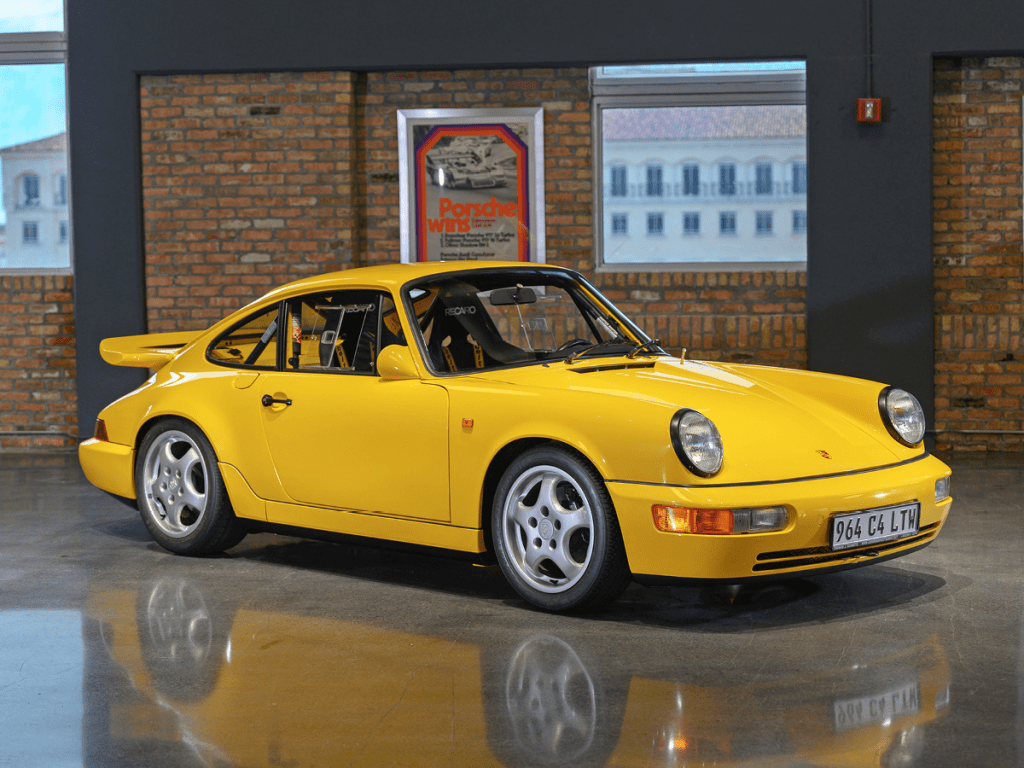
- Porsche 911 – This car has been rocking the same general shape since the Beatles were still a band, and no one’s complaining. It’s the Steve McQueen of cars—cool at any age.
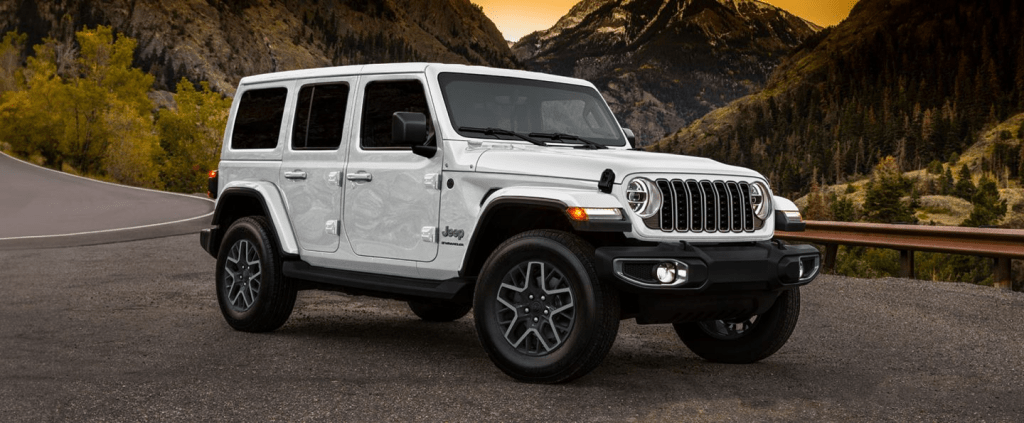
- Jeep Wrangler – It still looks like it just crawled off the battlefield, and that’s exactly why it works. Function over form, with a side of “I might actually survive the apocalypse.”
- Mercedes G-Wagon – Originally built to transport European aristocrats through war zones, this boxy behemoth has somehow managed to stay stylish in every decade. It’s the only car that looks at home both on the Autobahn and in a Whole Foods parking lot.

These vehicles don’t chase trends—they are the trend. They don’t get saddled with passing fads like oversized grilles, floating rooflines, or taillights that look like an EKG readout. They stick to what works, and in doing so, they never really get “old.”
The Curse of the Cutting Edge: Why New Tech Makes Old Cars Feel Ancient
Then there’s the other side of the spectrum—the “state-of-the-art” cars that age like an unpeeled banana left on a summer dashboard. Why? Because technology in cars is already years behind by the time it even hits the road. That “groundbreaking” infotainment system you paid extra for? A $99 Android tablet could run circles around it by the time you drive off the lot.
The Tech Pitfalls of Modern Cars:
- Touchscreens Everywhere – What was once a futuristic dream is now a nightmare. Screens age terribly. Five years in, your fancy in-dash system looks like a Windows 95 screensaver, complete with sluggish response times and an interface designed by someone who’s never driven a car before.
- Proprietary Operating Systems – Automakers insist on making their own software, despite the fact that they have all the UX instincts of a malfunctioning Roomba. Give it a few years, and your once-premium system starts looking like a relic from a failed Kickstarter project.
- Over-Reliance on Electronic Controls – Remember buttons? Buttons were great. They worked. They didn’t lag. Now, you have to tap a screen four times just to adjust the A/C, and if the screen breaks? Guess you’re sweating.
- EV Designs That Age Overnight – Sorry, Cybertruck owners, but the “brutalist apocalypse” look might not have the same charm in five years. Designing for “the future” instead of designing for “forever” is a surefire way to make a car look outdated before the paint even dries.
Designing for the Now vs. Designing for the Future
One of the biggest mistakes automakers make is designing cars for what they think the future will look like, rather than for what actually works. The problem? The future is unpredictable. What seems revolutionary today might just be weird tomorrow. (Looking at you, Pontiac Aztek.)
Timeless cars focus on form, function, and simplicity. They don’t chase trends—they create legacies. Meanwhile, the overly “futuristic” cars of today are doomed to become tomorrow’s Craigslist oddities.
The Moral of the Story:
If you want a car that won’t embarrass you in 10 years, don’t buy something that looks like it was designed by an over-caffeinated tech bro trying to predict 2050. Instead, opt for something that works—something built on the fundamentals of good design, simple mechanics, and materials that don’t degrade faster than a McDonald’s milkshake.
Or, you know, just buy a used 911. You can’t go wrong with a 911.

Leave a comment