A Love Letter to Irony and Regulatory Blind Spots
Ah, the modern automobile. A sleek, high-tech marvel of engineering, packed to the brim with cutting-edge safety features designed to prevent crashes. Lane departure warnings, automatic emergency braking, and even driver monitoring systems all exist to keep us safe.
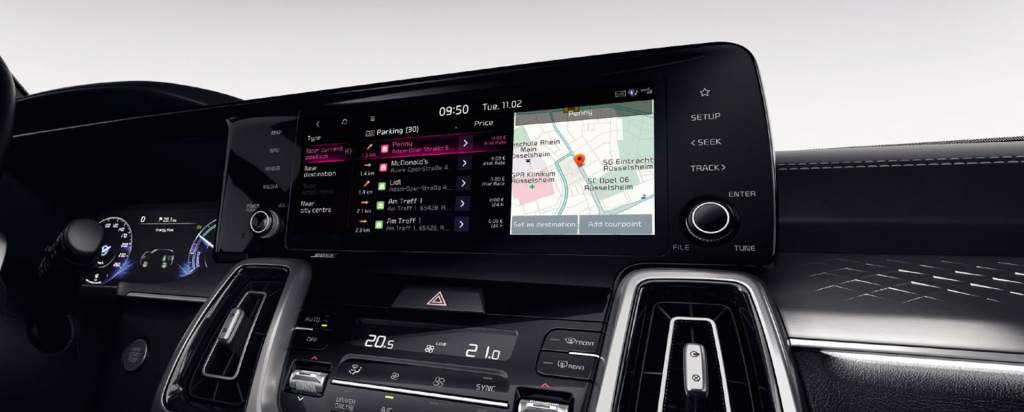
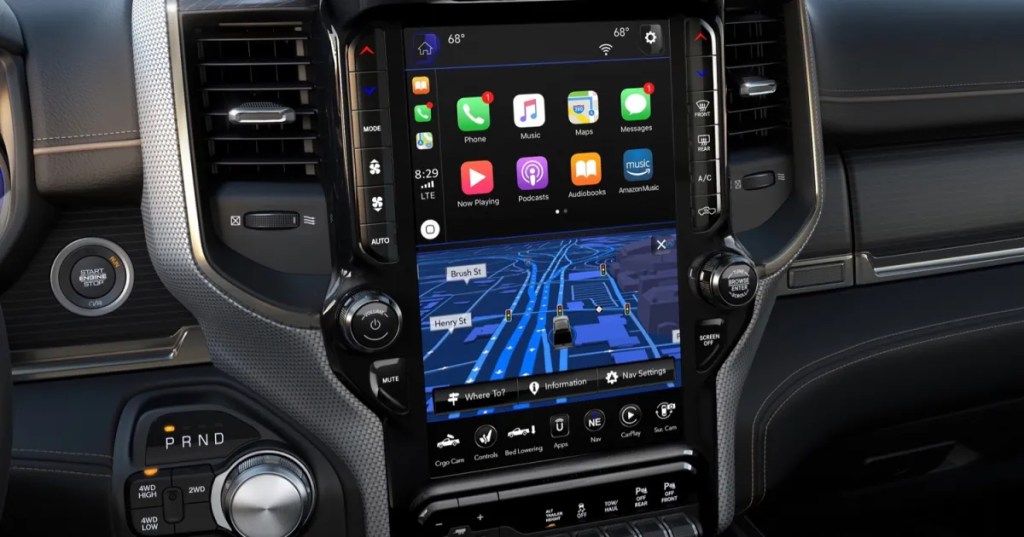
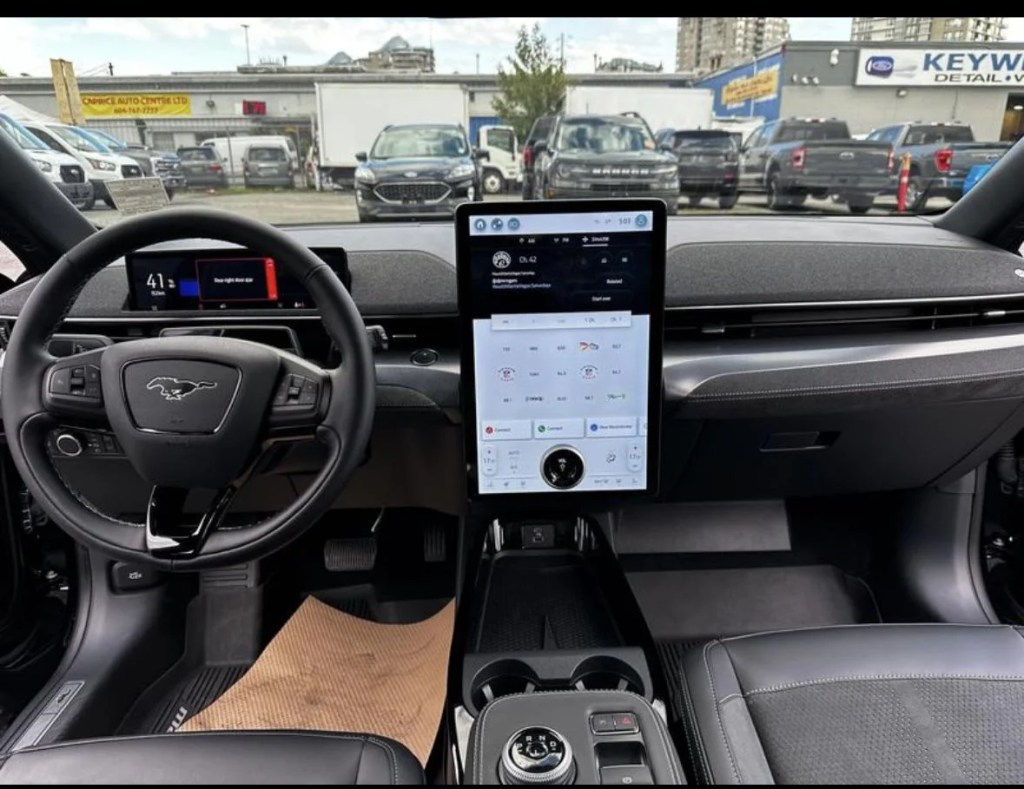
But wait—what’s that glowing monstrosity in the middle of the dashboard? Why, it’s a 15-inch touchscreen filled with menus, submenus, and settings so convoluted that changing the fan speed requires the same level of focus as defusing a bomb.
Yet, if you—heaven forbid—dare glance at your phone at a red light, you’re a criminal. Distracted driving laws will come down on you like Thor’s hammer, even as automakers proudly unveil bigger, shinier, and more interactive screens with every model year.
The Irony of It All
Let’s break this down. Using a cell phone while driving is illegal in nearly every U.S. state. Laws specifically prohibit texting, calling, and even holding a phone in your hand while behind the wheel. Law enforcement agencies run massive campaigns warning about the dangers of distracted driving, and insurance companies jack up your rates if you’re caught.
But somehow, it’s totally fine if that distraction comes built into the car itself.
Automakers have replaced simple, physical controls with massive, tablet-like interfaces that force drivers to take their eyes off the road for several seconds at a time. Climate controls, audio settings, and even essential functions like headlights are often buried inside digital menus, requiring drivers to navigate a maze of icons instead of just pushing a damn button.
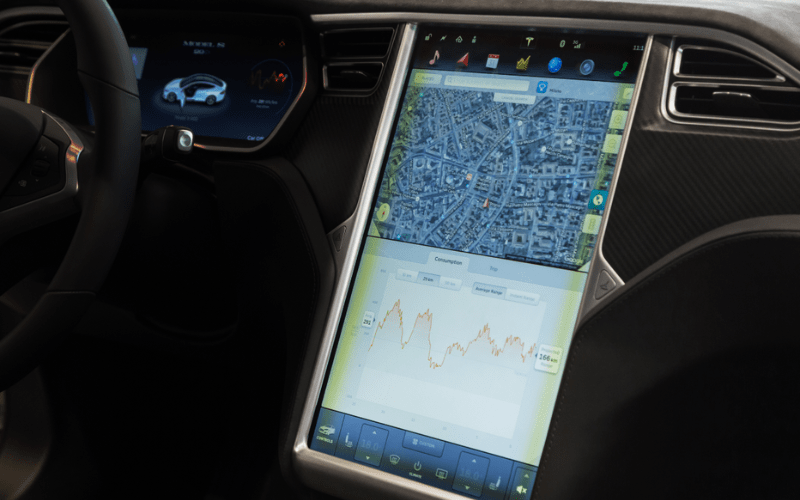
Even Tesla, the self-proclaimed leader in vehicle safety, is guilty of this. Their cars are known for having zero traditional buttons, forcing drivers to use a central screen for almost everything—including opening the glovebox. Meanwhile, reports of Tesla vehicles rear-ending stopped cars on the highway (presumably because drivers are too busy adjusting their Netflix settings) continue to pile up.
Screens: The Silent Killer
There’s a growing body of evidence that touchscreens in cars are far more dangerous than old-school buttons and knobs. Studies have found that interacting with a touchscreen can take a driver’s eyes off the road for up to four to five seconds, which at highway speeds means traveling the length of a football field blindfolded.
By contrast, traditional controls allow for muscle memory, meaning you don’t have to look down to adjust the volume or turn on the defroster. But good luck with that when your car’s infotainment system forces you to dig through three different menus just to warm your hands in the winter.
A 2020 study by the AAA Foundation for Traffic Safety confirmed that infotainment systems are making driving more dangerous. Drivers using touchscreens took longer to complete tasks and were more distracted compared to those using traditional controls. Yet, regulators have done next to nothing about it.
Regulators Are Asleep at the Wheel
The National Highway Traffic Safety Administration (NHTSA) has strict rules about where your headlights should be positioned, what your airbags must do, and how your car should crumple in a crash. But when it comes to screens? They’ve been largely hands-off, leaving automakers to their own devices—literally.
Car companies argue that these massive touchscreens are an innovation. They make cars more futuristic, they say. They allow for more customization, they claim. But the reality is, it’s a cost-cutting measure disguised as progress.
Physical buttons and knobs cost more money to manufacture than a single screen with software-controlled menus. Automakers aren’t just selling you a car anymore—they’re selling you an ecosystem, complete with subscription-based features that can only exist inside a touchscreen. Want heated seats? That’s $10 a month. Remote start? Another $15.
It’s a dystopian nightmare where the more distracted you are, the more money they stand to make.
The Solution? Regulate Car UI Like We Do Phones
If we truly care about road safety, then it’s time to treat in-car screens with the same scrutiny as smartphones.
Here’s what should change:
- A Cap on Screen Size – If a 12-inch tablet in front of your face while driving isn’t safe, then why are 17-inch ones acceptable?
- No More Touch-Only Interfaces – Essential controls like climate, volume, and hazard lights should be physical buttons, period.
- Limit Interactive Features While in Motion – If phone manufacturers can implement “Driving Mode” to block texts while driving, then automakers should be required to do the same.
- Mandate Eye-Tracking for All Infotainment Use – Some cars already monitor if drivers are looking at the road, but this should be mandatory for all touch-heavy controls.
Regulating this won’t be easy—automakers will fight it tooth and nail, citing “consumer preference” and “technological advancement” as reasons to keep making their vehicles more distracting. But if we can ban texting behind the wheel, we can absolutely regulate the giant iPads glued to our dashboards.
Final Thoughts: We’re Driving Backwards
The automobile industry is at a crossroads. Instead of prioritizing safety and usability, they’ve become obsessed with flashy tech that makes driving objectively worse.
If legislators are serious about stopping distracted driving, then they need to start where the biggest distractions actually are—not in drivers’ hands, but bolted to the center console.
Until then, enjoy your state-of-the-art, software-defined death trap. Just don’t forget to pay your subscription fee for the heated seats.

Leave a comment