Once upon a time, race cars weren’t just machines built to extract every last tenth of a second—they were characters, icons, and performers. The tracks were their stages, and their thunderous V12s, quirky aerodynamics, and distinct personalities made them legends. Today, the theater of racing has given way to cold precision, with CFD (Computational Fluid Dynamics) and AI-driven simulations shaping every curve and contour.
But what did we lose in this evolution?
The Golden Era: When Form Followed Emotion, Not Just Function
Think back to the Chaparral 2J—the “vacuum cleaner” with fans that sucked it to the track. Or the Tyrrell P34, a six-wheeled F1 experiment that looked more sci-fi than motorsport. These were the cars that had character, not just efficiency.
And the sounds? Good lord, the V10 scream of a McLaren MP4/6, the turbo whoosh of a Group B Audi Quattro, or the Le Mans-bred howl of a Mazda 787B—these were more than noises; they were orchestras in motion.
Liveries That Defined Legends
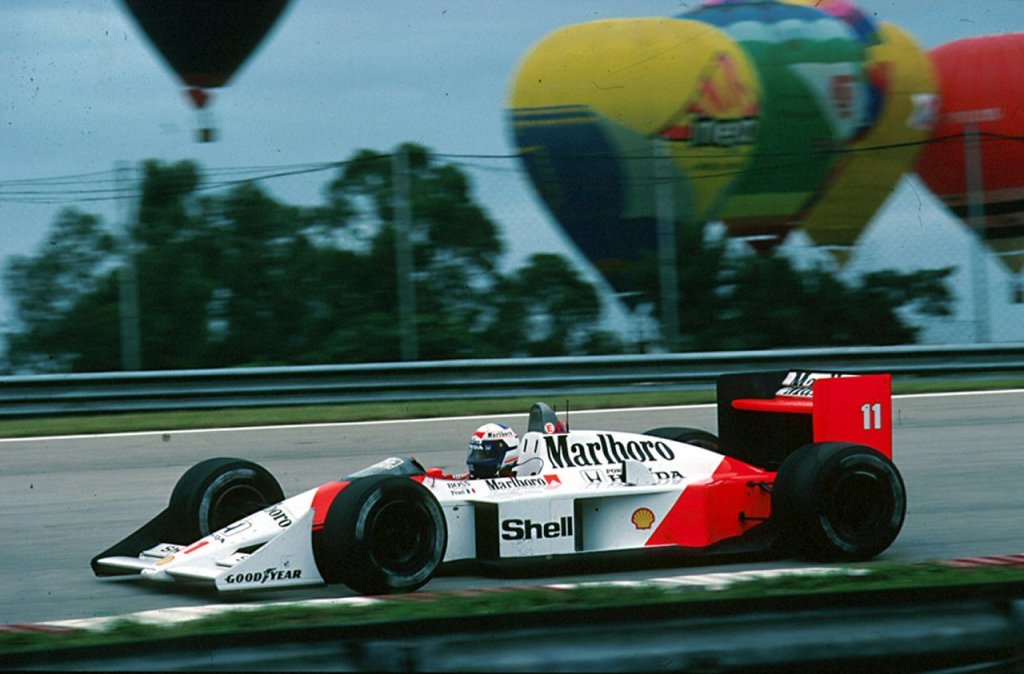
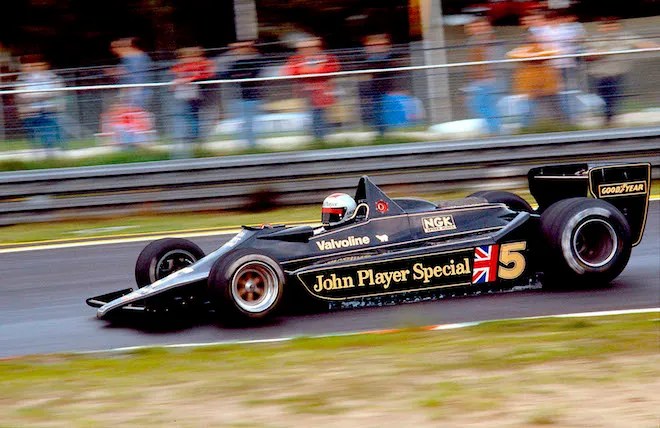
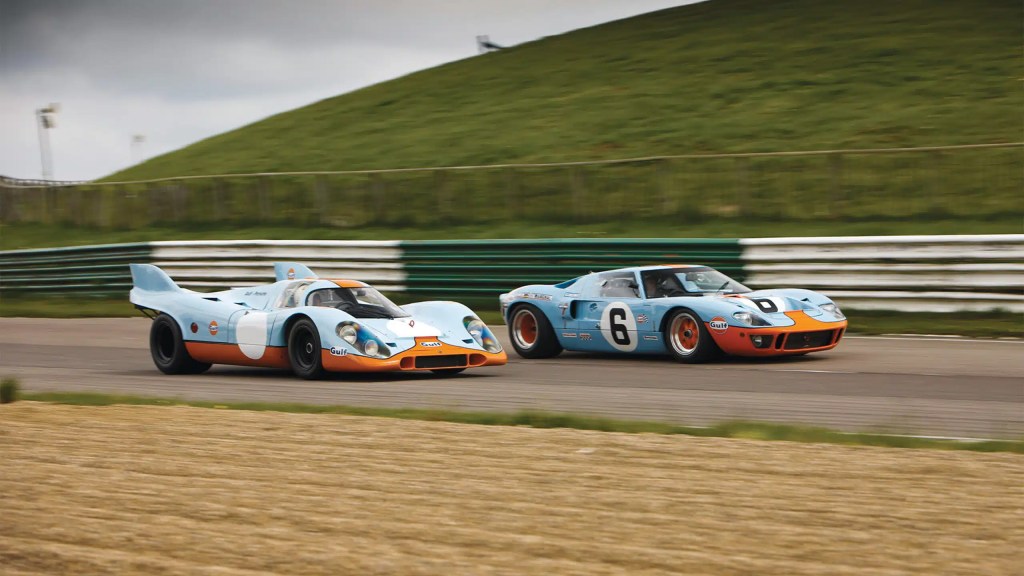
The Marlboro McLarens, the John Player Special Lotuses, the Gulf-Porsche 917s—these cars weren’t just machines; they were moving icons. Sponsors didn’t just slap their logo on a car; they became part of the car’s identity.
- The bright red and white McLaren MP4/4 was as much “Marlboro” as it was McLaren.
- The JPS Lotus 79 in its gold-on-black elegance looked like something Batman would drive.
- The Gulf-liveried Ford GT40 and Porsche 917 became the representation of endurance racing.
These weren’t cars wrapped in ads; they were rolling works of art, instantly recognizable even in silhouette.
The Death of the Show: When Cars Became Billboards
Fast-forward to today, and what do we have? A grid full of cars slathered in sponsor logos, clashing colors, and corporate branding vomit.
- The once-feared Ferrari Red is now plastered with AWS, Santander, and Shell logos like a NASCAR stock car.
- Mercedes? You can barely see the car under a sea of Petronas blue-green.
- Williams? Flip a coin on whether they’re even keeping the same color scheme next season.
Today’s liveries are designed by marketing teams, not artists. They are billboards first, race cars second.
A Few Last Rebels
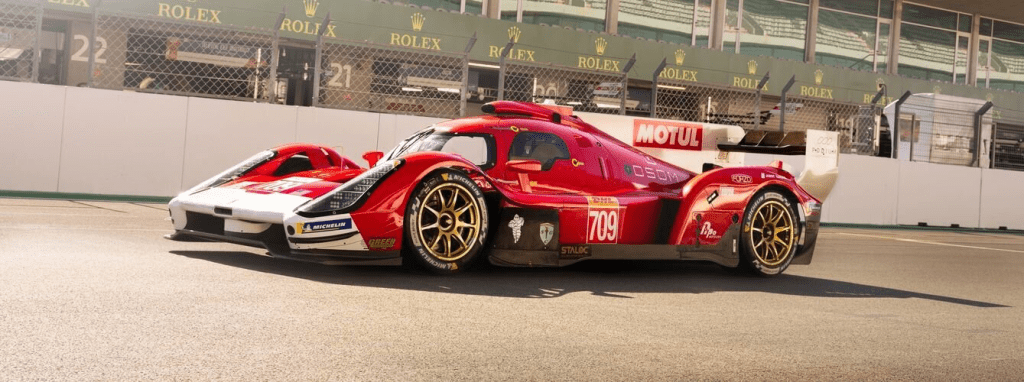
There are a few holdouts. The Glickenhaus SCG 007 in Hypercar has that old-school brutalist flair. The V8 roar of NASCAR still delivers primal energy. And even in F1, Red Bull’s “Adrian Newey special” RB19 at least has some distinctive features. But gone are the days when a race car was instantly recognizable without a livery.
The Need for Drama
Motorsport is a spectacle. It thrives on emotion, not just lap times. While modern technology has given us mind-blowing speeds, maybe it’s time for a return to theater—to a time when cars were as thrilling to see and hear as they were to drive.
Maybe it’s time to let race cars have souls again.

Leave a comment