For a brief, glorious moment, some of the wildest minds in automotive engineering thought, what if we stopped worrying about engine power and just put a giant fan in the car instead? The result? Some of the strangest, fastest, and most controversial vehicles ever built.
From Formula 1 to Le Mans to experimental road cars, fan-powered vehicles have left a lasting legacy—whether by winning races, bending the rules, or simply blowing away the competition.
The Fan Car Revolution
Fan cars rely on a simple but ingenious principle: instead of just using an engine to drive the wheels, they utilize high-powered fans to generate additional downforce or even propulsion. While this idea never fully took off in the mainstream auto industry, it resulted in some of the most legendary vehicles ever conceived.
1. Chaparral 2J – The ‘Sucker Car’ That Got Banned
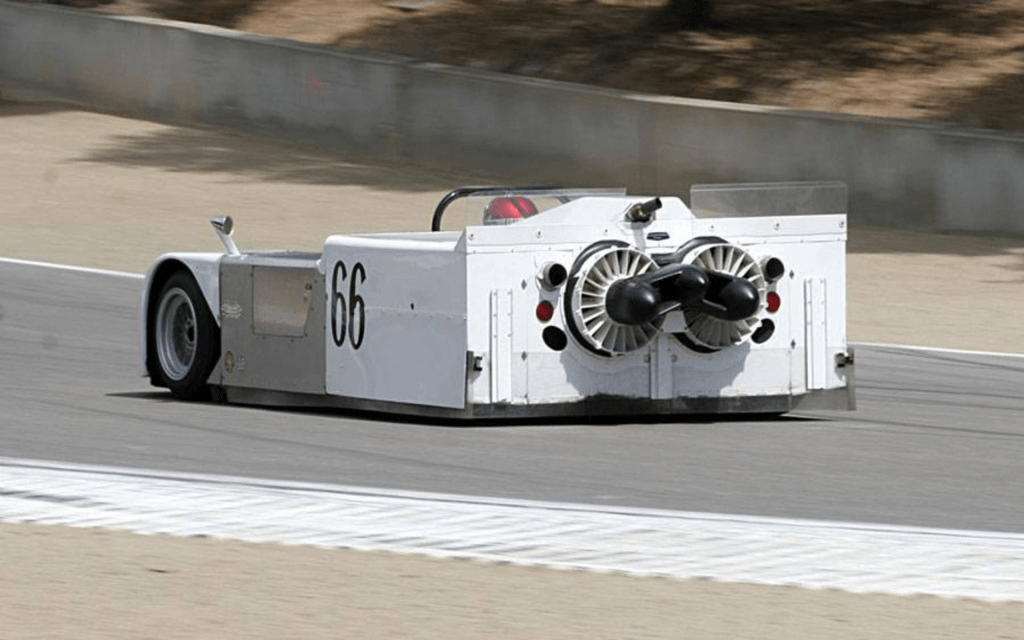
In 1970, Chaparral introduced the 2J, a Can-Am racer with a radical feature—two large fans at the rear, powered by a separate snowmobile engine, sucking air from beneath the car to create immense downforce. The result? Unrivaled cornering speeds. The problem? It was too good. Rivals complained, and the 2J was banned after just one season.
2. Brabham BT46B – The Formula 1 Car That Won… Then Disappeared
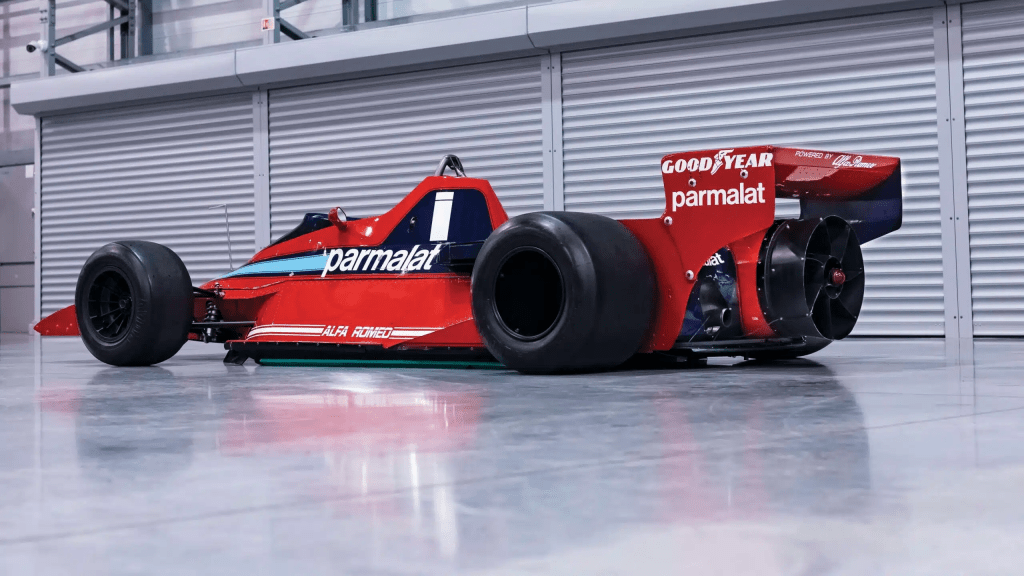
The Brabham BT46B, nicknamed the “Fan Car,” debuted in the 1978 Swedish Grand Prix. Using a giant fan at the rear, it effectively vacuumed itself to the ground. The result? Niki Lauda drove it to an easy victory. The controversy? Teams argued it violated F1 regulations, and Brabham withdrew it after a single race.
3. Gordon Murray’s McMurtry Spéirling – The Return of the Fan Car
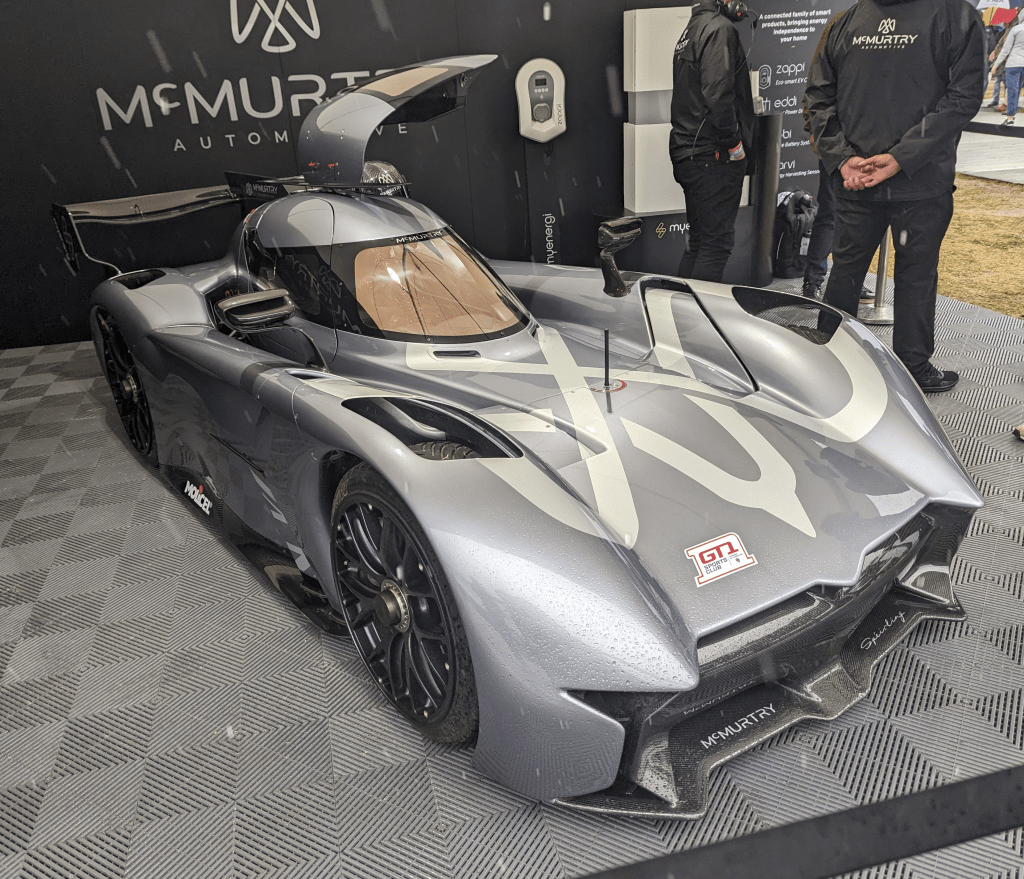
Decades after the BT46B’s demise, legendary engineer Gordon Murray brought the fan car concept back with the McMurtry Spéirling, an electric hypercar that shattered Goodwood’s hill climb record using twin fans to generate insane levels of grip.
4. The Rover-BRM Jet Turbine Car – A Fan-Powered Le Mans Experiment
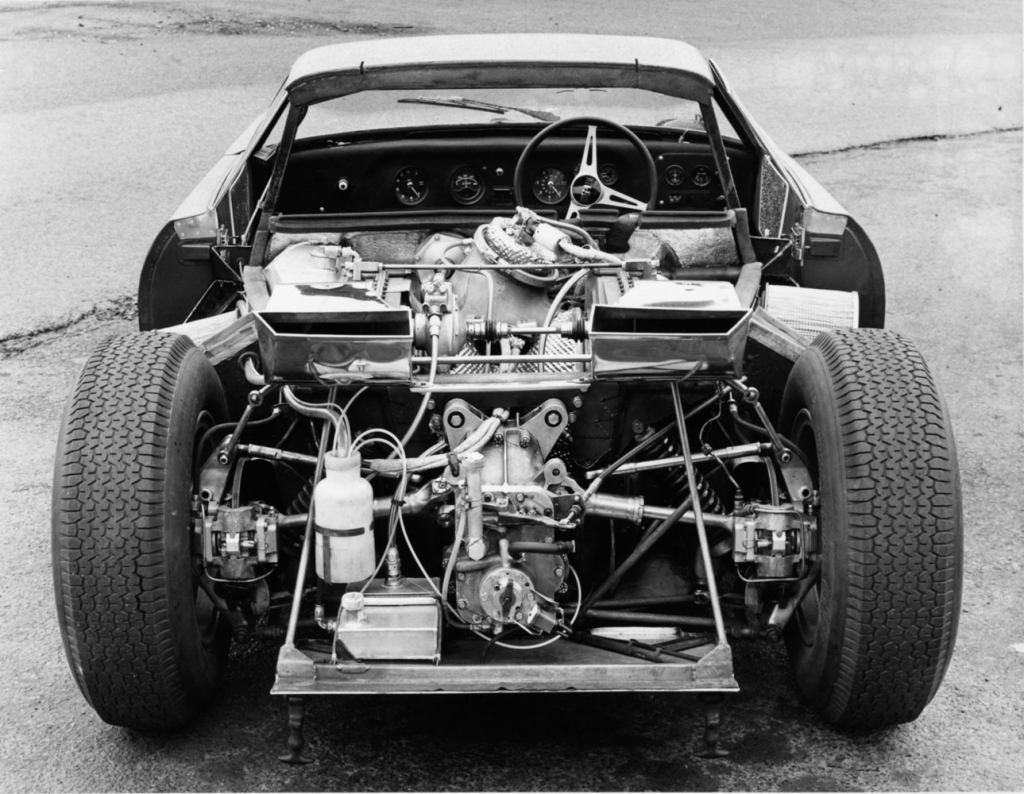
Though not a “fan car” in the same way as the others, the Rover-BRM was a 1963 Le Mans prototype that used a gas turbine engine, effectively making it a jet-powered car. While it didn’t revolutionize motorsports, it remains one of the most ambitious attempts at fan-based propulsion.
Why Didn’t Fan Cars Take Over?
Fan cars had one major problem: they were too good. Whether by bending or outright breaking regulations, they created an unfair advantage in racing. And for road cars? The noise, complexity, and maintenance of a fan-driven system never made it viable for everyday use.
But while they may never have gone mainstream, fan cars remain some of the most fascinating and boundary-pushing vehicles ever created—proving that sometimes, the best way to win isn’t more horsepower, but more suction.


Leave a comment