Move over, Rivian R3. Step aside, Cybertruck. The hottest automotive comeback of the decade isn’t a sleek EV or a nostalgia-fueled retro performance car—it’s the Yugo. That’s right, the car that was so budget-conscious it made a base-model Kia Rio look like a Bentley is making a return. And, in true Yugo fashion, it’s promising to be cheap, simple, and questionably reliable.
Wait… Who Thought This Was a Good Idea?
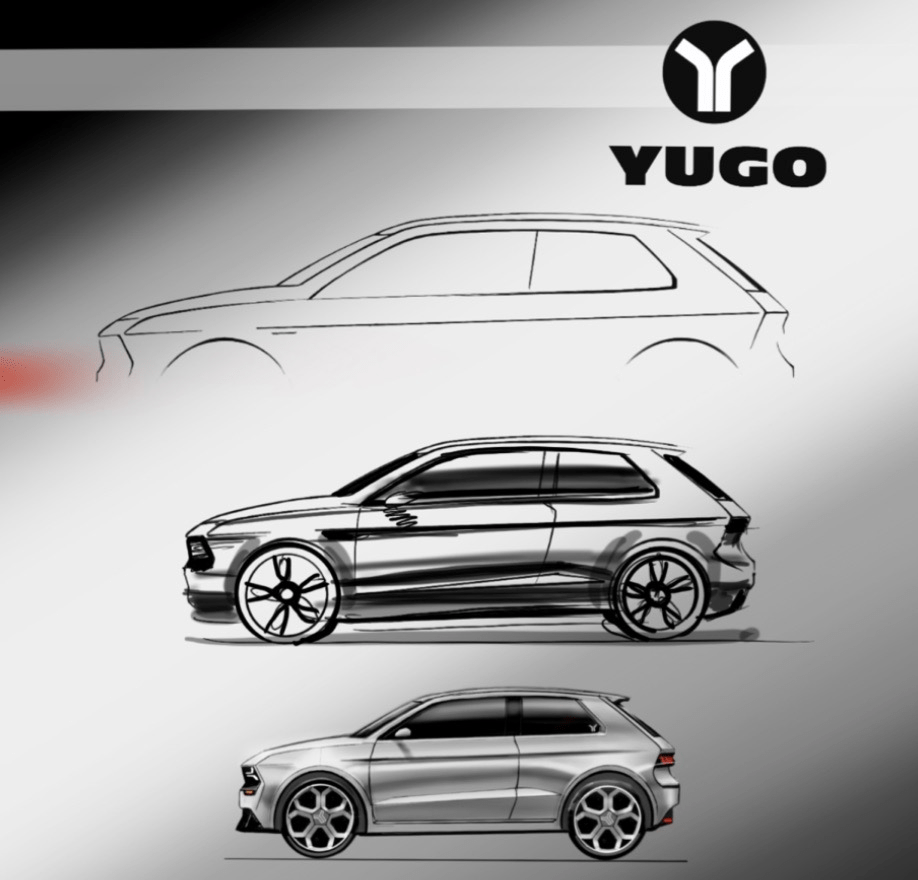
The mastermind behind the resurrection is Prof. Dr. Aleksandar Bjelić, an engineer, economist, and, clearly, an optimist of biblical proportions. He’s secured the rights to the Yugo name, filed international trademarks, and even hired Serbian designer Darko Marčeta to sketch out what can only be described as the world’s first 3D rendering of buyer’s remorse.
The design? Picture a slightly melted Volkswagen Golf Mk1 with a modern LED light signature. The new Yugo will follow the classic formula: a small, boxy hatchback that’s as aerodynamic as a brick and priced aggressively low—because let’s be honest, that’s the only reason anyone ever bought a Yugo in the first place.
It’s Gas-Powered, Because of Course It Is
Unlike most modern revivals, Yugo isn’t hopping on the EV train just yet. Instead, it’s sticking with an internal combustion engine, presumably because adding a battery pack would make the car unaffordable for its target demographic: people who still consider dial-up internet a luxury.
That said, an electric Yugo hasn’t been ruled out entirely. We can only assume it would have:
- A 50-mile range (on a good day, downhill, with a tailwind)
- A charging time of “eventually”
- The torque output of a slightly irritated hamster
Marketing Like It’s 1975
To prove the Yugo is totally not a bad idea, the reborn company is planning an expedition to retrace a 1975 rally from Serbia to Mount Kilimanjaro. Five classic Yugos will embark on a 6,300-mile death march, reminding everyone that the car’s biggest selling point was not getting stranded.
Unlike the original expedition, this time the team will drive to Italy, then ferry to Tunisia, presumably to avoid adding “sank en route to Egypt” to the list of potential mishaps. Whether the cars will survive the journey is anyone’s guess, but if nothing else, it’s an excellent way to ensure the new Yugo is the second most unreliable thing to ever wear the badge.
A Quick History Lesson on the Yugo: The Car That Made Walking Seem Practical
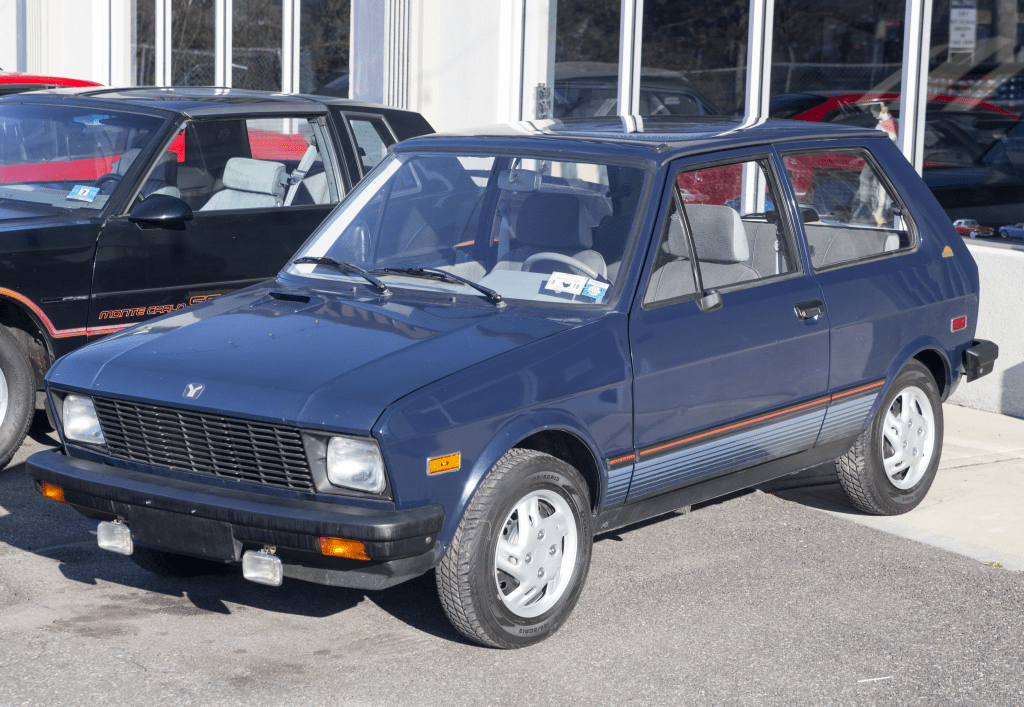
For those too young to remember, the original Yugo was a Fiat 128 that failed a high school equivalency test. It debuted in 1980, featuring a 55-horsepower engine and build quality so questionable that new owners were basically given a toolkit instead of a warranty.
Malcolm Bricklin (yes, the same guy who thought Americans needed a plastic-bodied gullwing car) imported it to the U.S. in 1986. And for two glorious years, the Yugo sold in numbers that defied logic—until people actually started driving them.
By 1989, the company was bankrupt, but not before attempting a convertible version, proving that even bad ideas can get worse. Meanwhile, in Eastern Europe, the Yugo refused to die, with production limping along until 2008—long enough for Fiat to mercifully put it down.
A Future Nobody Asked For
If all goes well (and that’s a big if), a scale model of the new Yugo will debut by late 2025, with a prototype arriving in 2027.
What will it cost? Who knows. Will it be sold in the U.S.? Maybe. Will it be as hilariously bad as the original? We can only hope.
Until then, keep your socket wrenches handy. If history has taught us anything, it’s that owning a Yugo is less about driving and more about mechanically bonding with it in a series of increasingly desperate roadside repairs.
Long live the Yugo. (Or at least as long as it takes to break down.)

Leave a comment