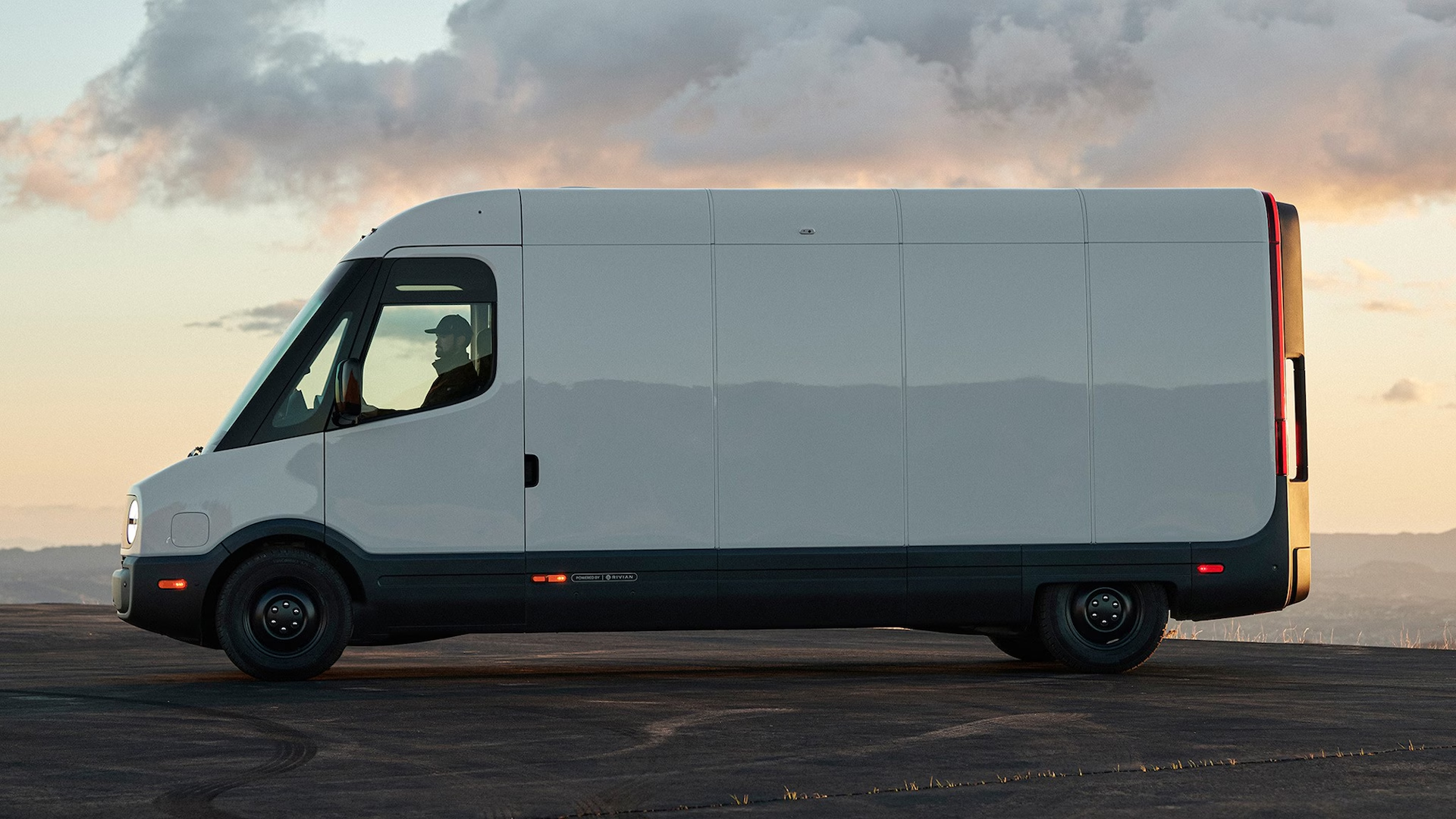
When Rivian first introduced its all-electric delivery van, it was a purpose-built vehicle designed exclusively for Amazon, making those smiling blue vans an everyday sight in urban and suburban neighborhoods. However, Rivian’s recent decision to open sales to fleet customers marks a pivotal moment—not just for the company but for the entire fleet services industry.
From Exclusive to Inclusive: The Genius of Rivian’s Rollout Strategy
Rivian’s approach to the delivery van market was anything but conventional. Unlike traditional automakers that roll out vehicles to the public first, Rivian secured a corporate partner in Amazon, ensuring a steady production demand while refining the product in real-world conditions. This strategy did three crucial things:
- Built a Stable Revenue Base – The Amazon contract guaranteed Rivian a substantial production ramp-up without the uncertainties of consumer adoption.
- Gathered Extensive Data – Thousands of vans in service meant real-world data on durability, battery performance, and fleet logistics, allowing Rivian to fine-tune its vans before selling them more broadly.
- Branding Without the Risk – Because Amazon bore the initial costs and potential reliability concerns, Rivian avoided the financial and reputational risks of a public launch.
Now that the company is moving past exclusivity, businesses large and small have access to the Rivian Delivery 500 and 700, marking a new phase of market penetration.
Why Fleet Services Should Take Notice
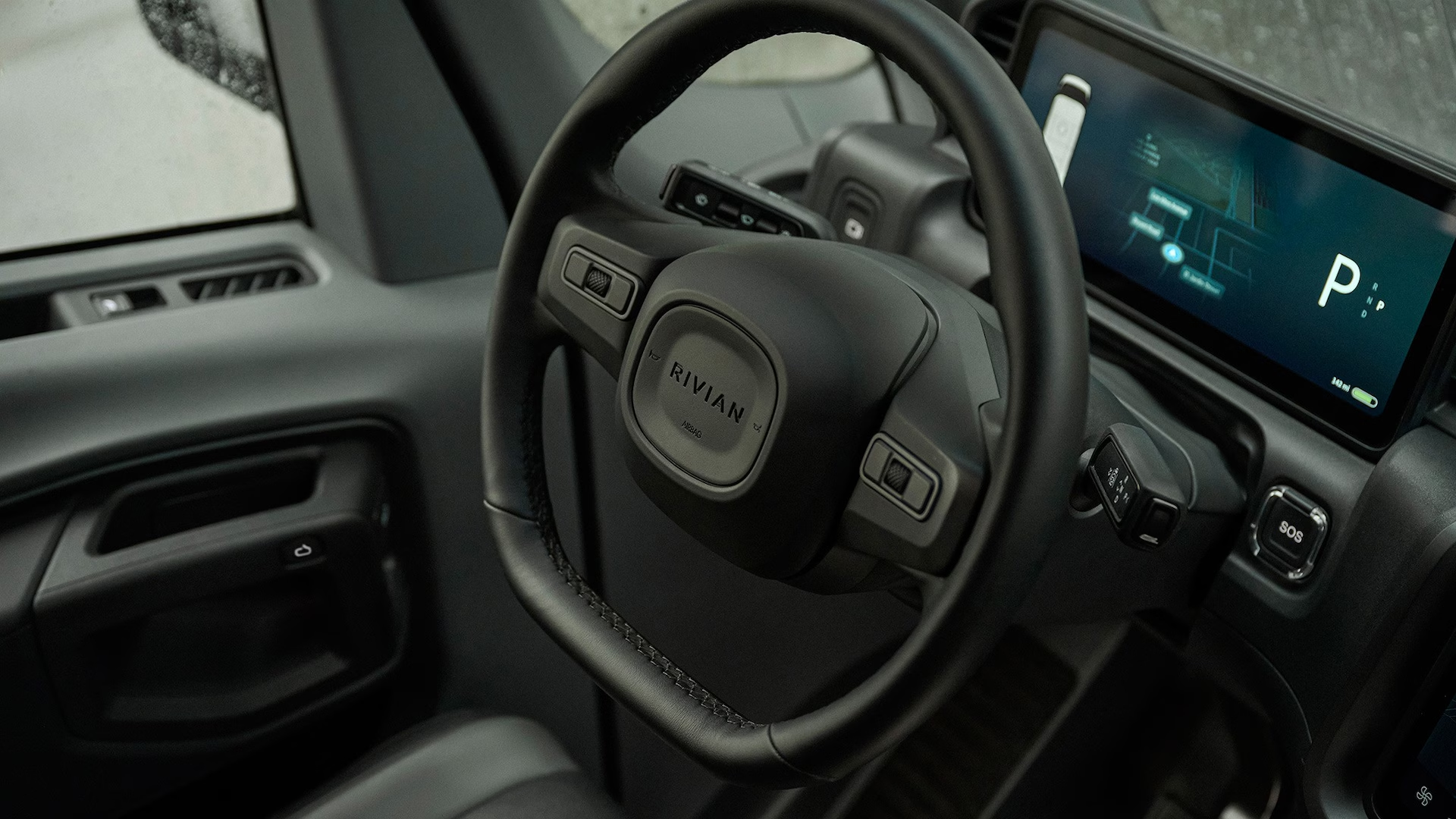
Rivian’s entry into the general fleet market signals a shift in how companies may view electric commercial vehicles. Historically, fleet buyers have been hesitant about EVs due to range limitations, infrastructure challenges, and uncertain long-term costs. However, Rivian’s van offers:
- Sufficient Range for Urban Logistics – With up to 161 miles per charge, it’s well-suited for daily delivery routes, food trucks, or service calls.
- Lower Operating Costs – Fewer moving parts and the absence of traditional maintenance requirements make these vans financially attractive in the long run.
- Sustainability Without Sacrificing Practicality – For businesses aiming to reduce emissions, Rivian presents a real alternative to gas-powered Transits and Sprinters.
The bigger question is whether Rivian’s timing aligns with market readiness. EV adoption in the fleet world is accelerating, but infrastructure and incentives still vary widely across regions.
What This Means for Rivian’s Bottom Line
The move to general fleet sales isn’t just about expanding reach—it’s about profitability. The Amazon contract, while lucrative, meant that Rivian was largely locked into pre-negotiated pricing. By opening sales to new customers, Rivian can:
- Increase Margins – Business customers will pay near-market rates, potentially making these sales more profitable than Amazon’s bulk orders.
- Diversify Revenue Streams – Avoiding over-reliance on a single corporate buyer reduces financial vulnerability.
- Leverage Brand Recognition – Businesses already recognize the van from Amazon’s widespread deployment, making it an easier sell.
With Rivian still operating at a loss, every new market expansion is crucial to moving toward profitability.
Final Thoughts: A Smart Bet, but Not a Guaranteed Win
Rivian’s van is no longer just Amazon’s secret weapon—it’s a potential game-changer for delivery fleets, small business owners, and mobile service providers. But success hinges on execution: charging infrastructure, cost competitiveness, and Rivian’s ability to scale production efficiently will all determine whether this move is a stroke of genius or a financial misstep.
One thing is certain: Rivian is playing the long game, and this van may be its ticket to mass-market viability.

Leave a comment